
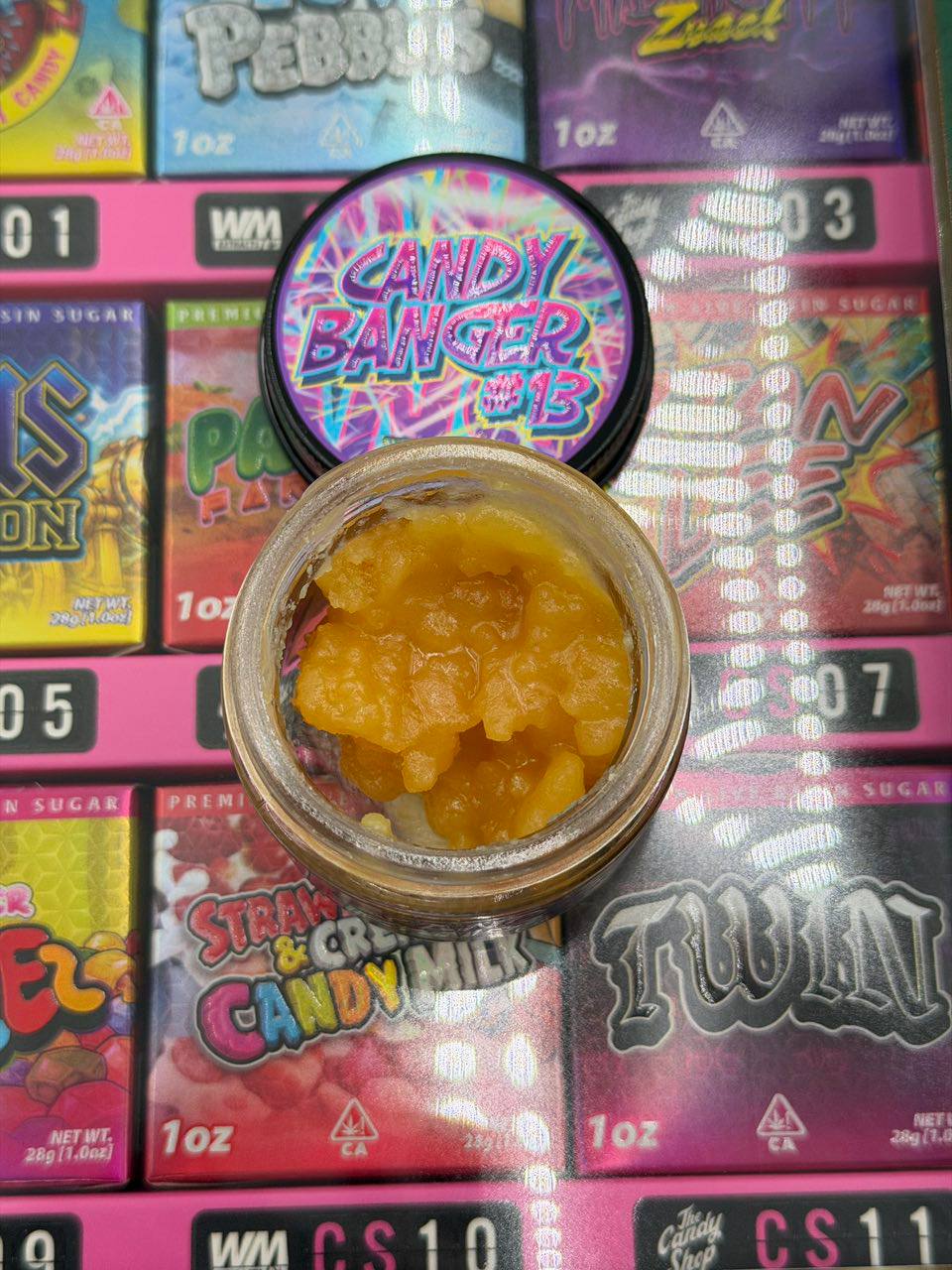
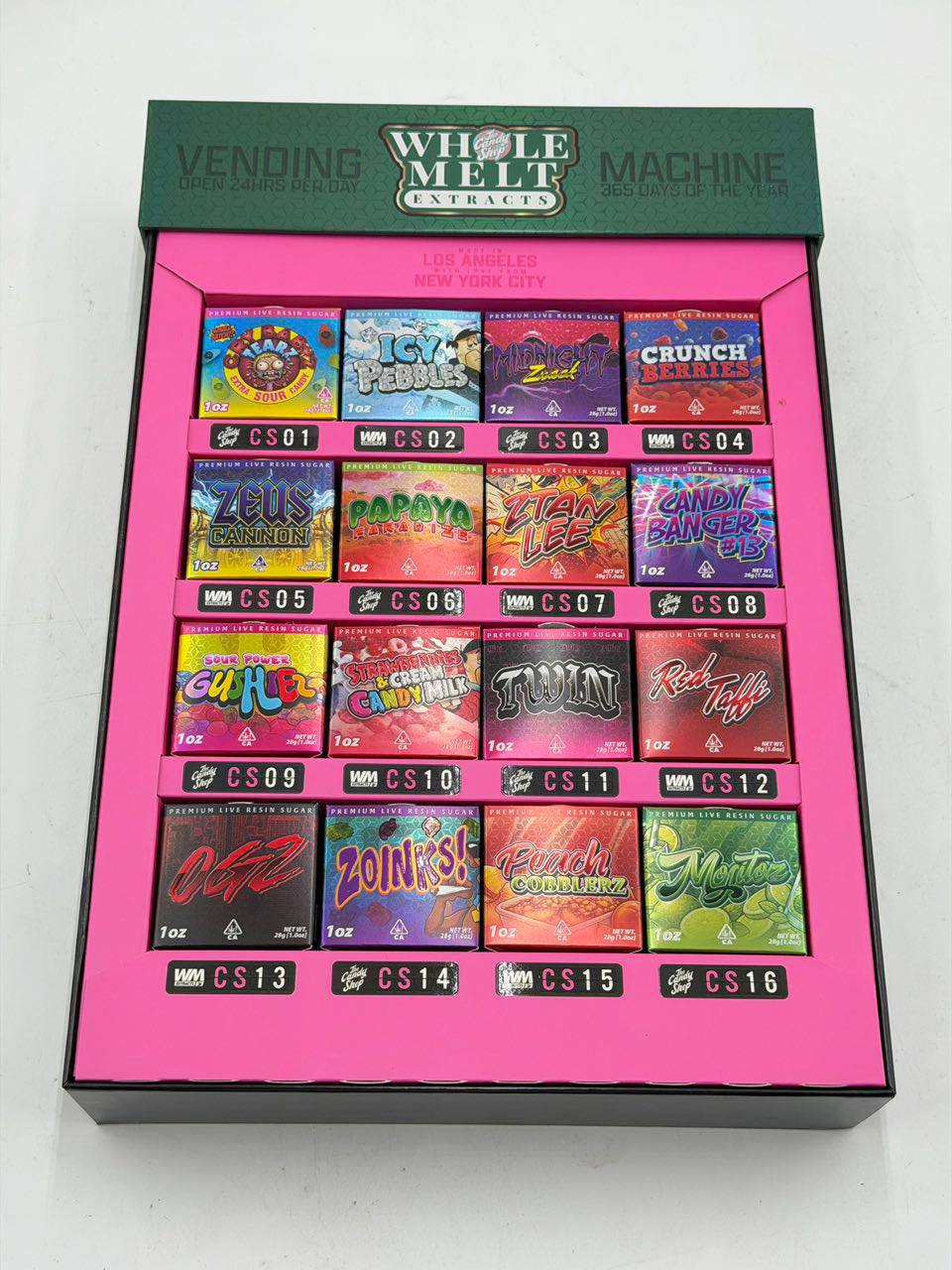
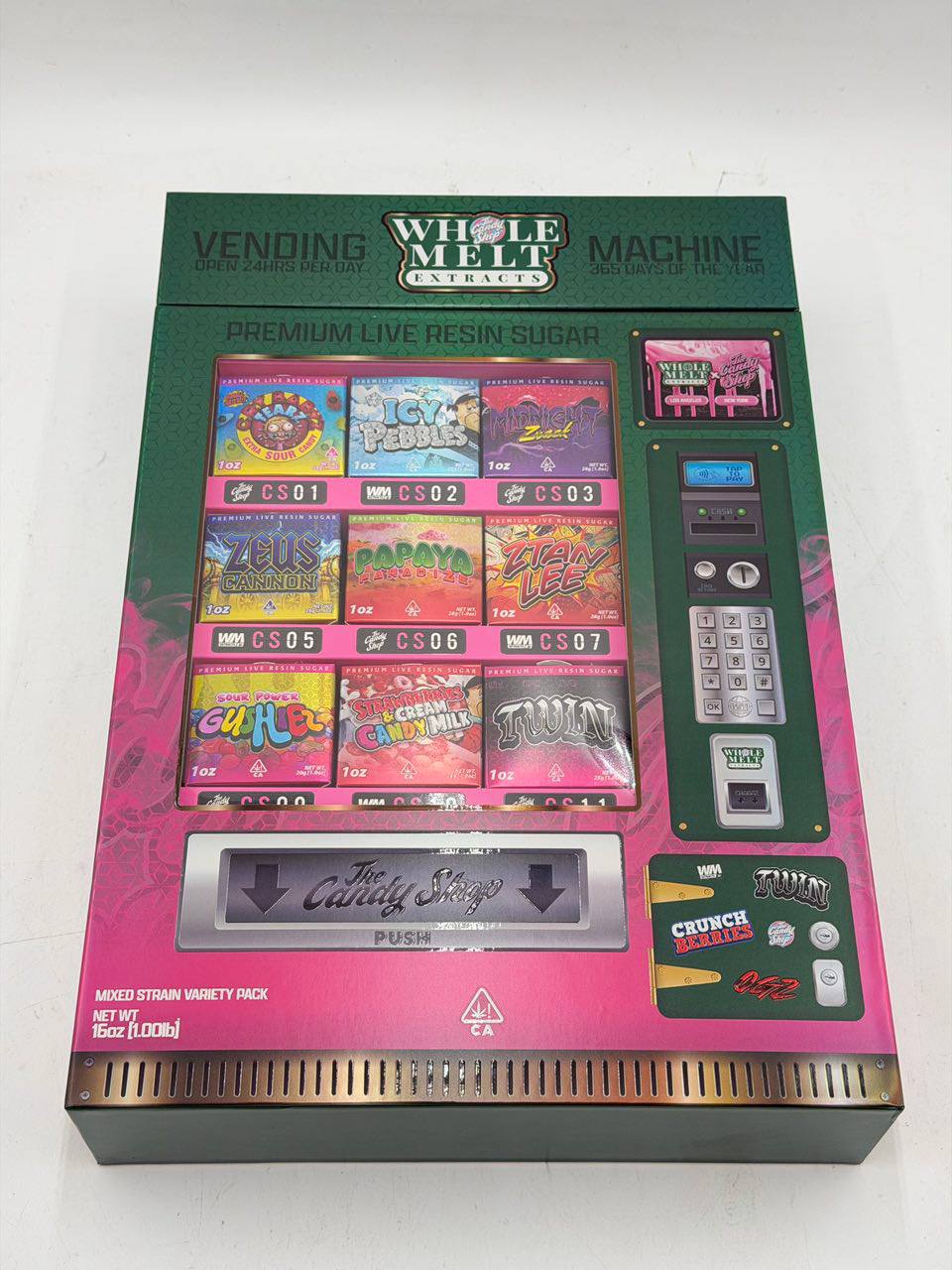
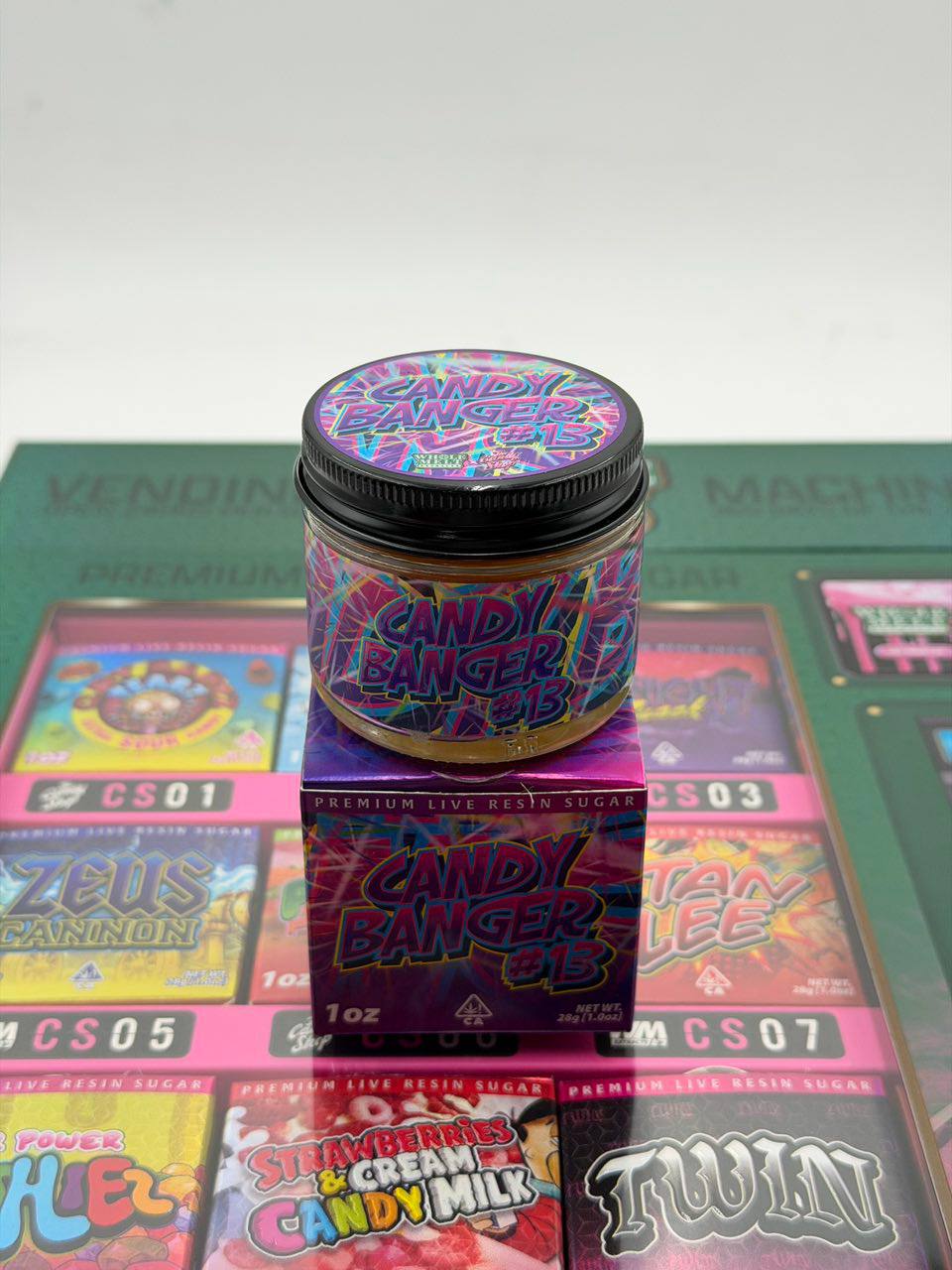
Whole Melt Extracts Vending Machine: Product Overview
Introduction
The Whole Melt Extracts Vending Machine is presented as a compact dispensing concept associated with the Whole Melt Extracts product line. Its vending-machine format gives the product a distinctive appearance while combining a familiar retail concept with branded packaging and presentation.
Unlike a conventional vending machine used for snacks or beverages, this type of branded unit may be designed around a specific product collection. Its appearance, organization, and display can therefore contribute to the overall presentation of the products contained inside. The concept places emphasis on convenience, visual identity, and an unusual retail-style experience.
Because product configurations can vary, the exact contents, capacity, dimensions, and operating features should be confirmed from the manufacturer’s packaging or documentation. In addition, any regulated products associated with the unit may be subject to age, location, licensing, labeling, and other legal requirements.
A Distinctive Product Concept
The vending-machine design gives the item a recognizable identity. Rather than presenting products through ordinary shelves or boxes, the format creates a miniature retail display that resembles a dedicated automated store.
The concept can be particularly noticeable in environments where branded presentation matters. Its compact structure allows several individual items to be organized within one dedicated display area. As a result, the overall presentation can feel more structured than a collection of separate packages.
At the same time, the machine itself can function as part of the visual identity surrounding the product line. Its branding, layout, and exterior design may work together to create a consistent appearance.
The design is therefore not simply about holding individual products. Instead, it can provide a recognizable presentation that connects the packaging with the wider brand aesthetic.
Design and Visual Presentation
Visual presentation is an important characteristic of any branded dispensing unit. The exterior can provide a larger surface for logos, graphics, product information, and other visual elements. Consequently, the machine may stand out more effectively than individual packages placed separately.
The exact appearance depends on the particular version being offered. Some units may feature colorful graphics, while others can use a more straightforward branded appearance. Therefore, photographs and official specifications remain the best sources for confirming the exact design.
The internal arrangement also contributes to the overall presentation. Individual products can potentially be separated into different compartments, allowing each item to remain visible and organized.
This arrangement creates a cleaner appearance while making the contents easier to identify. Furthermore, a dedicated compartment system can help distinguish different products from one another without requiring a large conventional display.
Compact Retail Format
One of the most recognizable characteristics of this concept is its compact retail format. A vending-style structure can occupy less space than a full-size retail fixture while still providing a dedicated location for a product collection.
That compact approach may be useful in settings where display space is limited. However, the suitability of the unit depends on its actual dimensions and intended operating environment.
The physical construction also matters. A durable exterior can help protect the internal components during normal handling, while a stable base can provide additional support when the unit is positioned on a suitable surface.
Because different versions can have different specifications, dimensions should not be assumed from the product name alone. Measurements, weight, power requirements, and operating instructions should be obtained from the applicable manufacturer or distributor documentation.
Product Organization
Organization is another notable feature of the format. Instead of presenting individual packages across several locations, the machine can group them into one dedicated structure.
A compartment-based layout may help separate different product variations. Depending on the configuration, individual sections can potentially be associated with specific products, flavors, sizes, or package types.
Clear organization is particularly valuable when multiple variations share similar packaging. A structured arrangement can reduce visual clutter and create a more consistent display.
However, the exact internal layout should be verified before the unit is used. Capacity and compartment dimensions can vary between models, and not every version will necessarily support the same number or type of products.
Branding and Identity
Brand identity plays a major role in the appearance of dedicated retail displays. A branded machine can provide a larger visual representation of a product line than individual packaging alone.
The Whole Melt Extracts name is associated with a range of products, and the vending-machine concept extends that visual identity into a physical display format. Branding elements may appear across the exterior, creating a consistent connection between the unit and the products presented inside.
For retailers and collectors, the visual aspect can be as significant as the practical structure. A distinctive branded object can become part of the surrounding display rather than functioning only as storage equipment.
Nevertheless, branding should not be interpreted as confirmation of authenticity. Product authenticity, manufacturer authorization, labeling, and compliance should always be evaluated separately.
Packaging Considerations
The products associated with a branded dispensing unit may use individual packaging designed to identify their contents. Packaging can contain information such as product names, batch details, ingredient information, warnings, manufacturer information, or other required labeling.
That information is particularly important when regulated products are involved. The package should provide the applicable information required by local law.
Packaging may also differ between markets. Consequently, an appearance seen online should not automatically be treated as proof that every unit uses identical packaging.
Differences in labeling, language, regulatory markings, and package dimensions can occur between locations. Therefore, the physical product and its documentation should be considered the authoritative source.
Materials and Construction
The materials used in a vending-style unit influence its appearance, durability, and overall handling. Depending on the model, construction may include molded plastic, metal components, transparent panels, electronic parts, or other structural materials.
A transparent or partially transparent section can provide visibility into the product compartments. Meanwhile, a solid exterior can provide space for branding and structural support.
The internal components can be equally important. Dispensing mechanisms, compartment dividers, locks, electrical components, and control interfaces may all contribute to how the unit functions.
Exact materials and construction methods should be confirmed through manufacturer specifications rather than assumed from photographs.
Functionality
The central purpose of a vending-style unit is organized dispensing. Depending on its configuration, the mechanism can allow products to be selected and released individually.
The functionality may range from a simple mechanical arrangement to a more complex electronic system. Some versions can require power, while others may rely on mechanical components.
Because these differences affect operation, the correct instructions should accompany the specific model. Operating requirements should not be inferred from another version with a similar appearance.
Where regulated products are involved, functionality also intersects with compliance. Age verification, access control, product tracking, and local regulatory requirements may be relevant depending on the jurisdiction.
Safety and Responsible Use
Safety information should remain an important part of any product description involving an automated dispensing device.
The machine should be placed on a stable surface appropriate for its size and weight. Electrical versions should be operated according to their supplied instructions, particularly where power connections are involved.
The surrounding environment also matters. Excessive heat, moisture, direct sunlight, or unsuitable storage conditions may affect electronic components or packaged products.
Furthermore, children and unauthorized individuals should not have access to regulated products. Applicable age restrictions and local regulations should always be observed.
The machine itself should also be maintained according to the manufacturer’s recommendations. Regular inspection can help identify damaged components, loose parts, electrical problems, or other issues before they become more serious.
Storage and Environmental Conditions
Storage conditions can influence both the machine and the products placed inside it. A clean, dry environment is generally preferable for equipment containing electrical or mechanical components.
Extreme temperatures may affect certain materials and electronic systems. Similarly, excessive humidity can create problems for components that are not designed for moisture exposure.
The products themselves may have separate storage requirements. Those requirements should take priority over general assumptions about the machine.
For that reason, product packaging should be reviewed carefully. Storage temperatures, light exposure, expiration information, and other relevant instructions may be included on the package.
Authenticity and Verification
The popularity of branded products can create opportunities for imitation products and misleading listings. Consequently, authenticity deserves particular attention when evaluating a branded dispensing unit.
A genuine appearance alone does not establish authenticity. Logos, graphics, packaging, and machine designs can potentially be reproduced.
Verification should instead involve reliable documentation and identifiable manufacturer information. Packaging details, batch information, authorized distribution channels, and other applicable indicators can provide additional context.
When the product is regulated, compliance information becomes even more important. A legitimate-looking package should not automatically be considered evidence that its contents meet local requirements.
Regulatory Considerations
Regulations surrounding cannabis and cannabis-derived products vary significantly between jurisdictions. Some locations permit certain products under specific conditions, while others restrict or prohibit their possession, distribution, advertising, or sale.
Automated dispensing introduces additional considerations. Depending on local law, requirements can include age verification, licensing, controlled access, product labeling, inventory tracking, taxation, or restrictions on where dispensing equipment may be installed.
Therefore, the legal status of a particular vending-machine configuration cannot be determined from its appearance alone.
Any business or organization considering such equipment should review the laws applicable to its specific location. Official government sources and qualified legal professionals provide more reliable guidance than generalized product listings.
User Experience
From a design perspective, a vending-machine format can create a different experience from conventional product displays. The dedicated structure gives the collection a defined physical presence.
The selection process may also feel more organized when each product occupies an identifiable compartment. Clear labeling can make the display easier to understand, provided that the labels accurately represent the products.
At the same time, the user experience depends heavily on the specific mechanism. Mechanical dispensers, electronic controls, and other configurations can provide different experiences.
Consequently, photographs alone cannot establish how a particular version operates.
Maintenance
Maintenance requirements depend on the construction and operating mechanism. Mechanical components may require periodic inspection, while electronic models can have additional maintenance considerations.
Keeping the exterior clean can preserve its appearance. Internal compartments should also remain free from debris or damaged packaging that could interfere with dispensing.
Any electrical issue should be addressed according to the manufacturer’s safety instructions. Improvised repairs can create unnecessary risks, particularly when electronic components or power connections are involved.
Routine inspection is therefore useful for preserving both appearance and functionality.
Capacity and Configuration
Capacity is one area where product listings can vary considerably. Different versions may accommodate different numbers of packages, and the available space can depend on package dimensions.
The same external design may also be configured differently for different product collections. Therefore, assumptions about capacity should be avoided unless the specification has been confirmed.
A detailed product listing should ideally provide the manufacturer’s stated dimensions, capacity, weight, power requirements, and supported product format when that information is available.
This information makes it easier to evaluate whether the unit is appropriate for its intended environment.
Display Value
Beyond its functional purpose, a branded dispensing unit can have display value. The larger format gives the product line a more substantial physical presence.
For collectors, branded displays can complement a wider collection of packaging and promotional materials. For businesses operating legally in regulated markets, dedicated equipment can also contribute to a consistent retail environment when permitted by applicable regulations.
However, display value does not replace authenticity or compliance verification. Both aspects should be considered independently.
Practical Considerations
Several practical factors can influence whether this type of equipment is suitable for a particular environment.
Available space is one consideration. The unit should fit comfortably within its intended location without blocking walkways, emergency access, ventilation, or other important areas.
Power requirements may also matter if the model uses electronic components. Accessibility is another consideration, particularly when the machine requires maintenance or restocking.
Security can become especially important when regulated products are involved. Restricted access, appropriate supervision, and compliance with local requirements may all be necessary.
These practical details are often more important than appearance alone.
Product Information
A reliable product description should distinguish confirmed specifications from visual observations. Details such as dimensions, capacity, materials, dispensing mechanism, power requirements, and included accessories should come directly from verified documentation.
This approach prevents inaccurate information from being repeated across product listings.
It is also useful to distinguish the vending equipment from the products it may contain. The machine is a dispensing or display device, while the individual products have their own specifications, ingredients, potency information, labeling requirements, and legal restrictions.
Keeping these categories separate creates a clearer and more accurate description.
Overall Design Impression
The Whole Melt Extracts Vending Machine presents a distinctive approach to product display. Its vending-inspired structure combines branded presentation with an organized compartment format.
The design can create a recognizable focal point while keeping individual packages grouped within a dedicated space. Furthermore, the format offers a different visual experience from traditional shelving or countertop displays.
Its actual usefulness, however, depends on the specific model, construction, capacity, and legal environment in which it is used.
The Whole Melt Extracts Vending Machine is best understood as a branded dispensing and display concept rather than simply another form of product packaging. Its recognizable format provides a dedicated structure for organizing individual products while giving the collection a stronger visual identity.
The exterior design, internal compartments, dispensing mechanism, and capacity can vary between versions. Therefore, verified specifications remain essential when evaluating a particular unit.
At the same time, regulated products require additional attention to labeling, authenticity, storage, access, and applicable law. Those considerations should remain separate from the machine’s branding and appearance.
Overall, the concept combines compact presentation, organized product placement, and distinctive branding in one physical format. Its strongest characteristics are therefore connected to visual identity and structured dispensing, while its practical suitability depends on the specifications of the individual model and the requirements of the location where it is used.
Whole Melt Extracts Vending Machine: Additional Product Details
Display Environment
The environment surrounding a vending-style display can influence how effectively the unit fits into a space. A clean and organized setting allows the machine’s exterior design to remain visible without unnecessary visual distractions.
Its relatively self-contained format can also make it easier to incorporate into an existing display area. Depending on the dimensions of the particular model, it may be positioned as a standalone feature or alongside other branded materials.
The surrounding environment should, however, remain appropriate for the equipment and any products stored within it. Temperature, humidity, lighting, ventilation, and accessibility can all affect the suitability of a location.
Exterior Appearance
The exterior is an important part of the machine’s identity. Branded graphics can provide immediate visual recognition, while the overall structure can resemble a traditional vending unit.
Panels, viewing sections, labels, and decorative elements may contribute to the finished appearance. Because designs can change between editions or production runs, the exact graphics should be confirmed from the specific unit being evaluated.
A well-maintained exterior can preserve the intended presentation over time. Scratches, damaged panels, faded graphics, or loose components may affect the overall appearance and should therefore be addressed when appropriate.
Internal Layout
The internal layout determines how products are arranged and accessed. Individual compartments can provide separation between different packages, helping maintain a more organized presentation.
A clear internal structure may also make inventory easier to assess. When products are separated into identifiable sections, the contents can be reviewed without disturbing the entire display.
However, the internal configuration depends on the model. Compartment dimensions should therefore be checked against the dimensions of the intended products before compatibility is assumed.
Restocking Considerations
Restocking is an important practical aspect of any dispensing system. The process depends on the access mechanism, compartment design, and capacity of the specific model.
A unit with individually separated compartments can make product placement more structured. Meanwhile, a larger-capacity configuration may reduce the frequency with which the machine needs to be replenished.
The machine should remain organized during restocking so that individual packages are positioned correctly. Damaged or unsuitable packaging should not be placed into a dispensing mechanism where it could interfere with normal operation.
For regulated products, inventory procedures may also need to follow applicable legal requirements.
Labeling
Clear labeling can improve the usefulness of a vending-style display. Product names, compartment identifiers, and other relevant information can help distinguish one package from another.
Labels should accurately represent the contents and should not create confusion about product characteristics. Where regulated products are involved, required warnings and legally mandated information should remain visible in accordance with local requirements.
The appearance of a label should also be distinguished from the validity of the information it contains. Attractive graphics do not establish authenticity or regulatory compliance.
Visibility
Visibility can be an important part of the machine’s design. A viewing window or transparent section may allow the products inside to remain visible without requiring the unit to be opened.
This approach can make the contents easier to identify while maintaining a structured presentation.
Visibility can also assist with inventory awareness. When packages can be seen clearly, missing or depleted compartments may be easier to recognize.
Lighting conditions should be considered as well. Excessive direct sunlight may affect certain packaging materials or product contents, while poor lighting can make labels more difficult to read.
Security Features
Security requirements vary according to the model and intended environment. Some vending-style units may incorporate locks, restricted access panels, or other protective features.
These features can be particularly relevant where products are regulated or where unauthorized access must be prevented.
Security should be evaluated separately from the machine’s visual design. A branded exterior does not necessarily indicate that the unit includes advanced security mechanisms.
Any available locking system should be reviewed according to the manufacturer’s documentation.
Electronic Components
Electronic versions can contain components such as displays, control boards, sensors, buttons, lights, or powered dispensing mechanisms.
These components can provide additional functionality, although they also introduce additional maintenance considerations.
Electrical requirements should always be confirmed for the exact model. Voltage, power consumption, connector type, and operating instructions can vary.
If an electronic component develops a fault, repairs should be handled according to the manufacturer’s recommendations. Improvised modifications can interfere with normal operation and may introduce unnecessary safety risks.
Mechanical Operation
Mechanical configurations can use physical mechanisms to move or release individual packages. The design of these mechanisms can influence the types of products that the unit can accommodate.
Package size and shape may therefore be important compatibility factors. Products that are too large, too small, unusually shaped, or packaged in unsuitable materials may not function correctly within a particular dispensing system.
For this reason, compatibility should be established from verified specifications rather than estimated from photographs.
Durability
Durability depends on the materials, construction quality, internal mechanisms, and conditions in which the machine is used.
A sturdy outer structure can help the unit maintain its appearance during normal handling. Internal components, however, can still require careful treatment.
Regular inspection can help identify signs of wear. Loose panels, damaged compartments, cracked viewing sections, or malfunctioning controls should be evaluated before continued use.
Environmental exposure can also influence longevity. Units intended for indoor environments should not automatically be treated as suitable for outdoor placement.
Cleaning and Appearance
A clean exterior can preserve the machine’s branded appearance. Dust and surface residue can accumulate over time, particularly around handles, viewing areas, buttons, and other frequently touched sections.
Cleaning methods should be compatible with the materials used in the machine. Harsh chemicals or excessive moisture may damage certain surfaces or electronic components.
Internal areas should receive similar attention. Any cleaning process should account for the products stored inside and the manufacturer’s maintenance instructions.
Product Compatibility
Compatibility is determined by the physical and operational characteristics of the machine. Package width, height, depth, weight, and shape can all influence whether a product can be dispensed correctly.
The machine’s specifications should therefore be compared with the actual packaging dimensions.
This consideration is especially important when products from different collections are being considered. Similar-looking packages can still have different dimensions.
A compatible product should fit the intended compartment without creating unnecessary pressure or obstruction.
Inventory Organization
An organized inventory can make a dispensing display easier to manage. Different products may be assigned to specific compartments according to their packaging or identification information.
Consistent placement can reduce confusion and make the contents easier to monitor.
Inventory information may also be useful when products have different batch details, expiration information, or regulatory labeling. Where applicable, those details should remain traceable through appropriate records.
Information Accuracy
Accurate product information is essential for a trustworthy listing. Specifications should not be invented when manufacturer documentation is unavailable.
This is particularly relevant for capacity, dimensions, materials, included accessories, and technical features. A product photograph can demonstrate appearance, but it cannot reliably establish every technical specification.
Therefore, verified documentation should take priority over assumptions based on similar vending machines.
Branding Versus Product Contents
The machine’s branding and the products placed inside it represent two separate aspects of the overall item.
The exterior may identify a particular brand or collection, while the contents can vary according to the configuration. A machine’s appearance therefore should not be treated as proof of what is currently stored inside.
Likewise, the presence of branded packaging does not independently establish the authenticity or quality of the contents.
These distinctions create a more accurate understanding of the product and help prevent misleading assumptions.
Retail Presentation
A dedicated vending display can create a more structured retail presentation than loose individual packages. Products remain grouped within a recognizable physical format, while the exterior provides a consistent visual identity.
This can be particularly useful from a display-design perspective. The machine itself becomes part of the presentation rather than functioning only as a storage container.
Nevertheless, retail use must comply with all applicable laws and business requirements. Regulations can differ substantially between jurisdictions.
Space Requirements
Before placement, the available space should be compared with the machine’s actual dimensions.
Clearance may be needed around doors, access panels, electrical connections, ventilation areas, or dispensing openings. The floor or surface should also be capable of supporting the unit safely.
A machine that appears compact in photographs can occupy more space once operating clearance is considered.
For this reason, measurements should be taken from the specific model rather than estimated from product images.
Transportation
Transportation can require additional care because vending-style equipment may contain fragile panels, mechanical components, or electronic systems.
The machine should be protected against excessive impact during movement. If products are stored inside, their own packaging and storage requirements should also be considered.
The manufacturer’s transportation recommendations should take priority when they are available.
Installation
Installation requirements depend on the machine’s design. A simple display unit may require minimal setup, whereas an electronic model can involve power connections or additional configuration.
The installation area should be suitable for the unit’s dimensions and operating requirements.
Where electrical installation is involved, appropriate safety procedures should be followed. Regulated product dispensing may also require additional installation conditions depending on local law.
Customer Accessibility
Accessibility depends on the physical design and intended use of the unit. Controls, product compartments, viewing sections, and access panels should be positioned appropriately for the intended environment.
Where age-restricted products are involved, accessibility also becomes a regulatory consideration.
A vending machine should not be treated as automatically suitable for unattended dispensing simply because it uses an automated format. Local requirements may impose additional conditions on access and supervision.
Authenticity Indicators
Authenticity is best evaluated through several pieces of evidence rather than appearance alone.
Manufacturer information, packaging details, batch identifiers, legitimate distribution records, and applicable verification systems can provide stronger evidence.
A product listing that lacks clear provenance should therefore be evaluated carefully.
This principle applies both to the machine and to the products associated with it. A genuine-looking display can still contain products that require separate verification.
Storage of Regulated Products
Where the machine is used to hold regulated products, storage conditions should follow applicable legal and manufacturer requirements.
Age restrictions, controlled access, labeling, inventory records, and other compliance measures may apply.
Because regulations differ between locations, a general product description cannot establish whether a particular configuration is legally permitted in a specific jurisdiction.
Official local requirements should therefore be reviewed before any commercial use is considered.
Long-Term Presentation
A branded vending unit can maintain its visual value when it is properly cared for. Regular cleaning, careful handling, appropriate placement, and correct maintenance can all contribute to its long-term appearance.
Graphics and exterior panels should be protected from unnecessary exposure to harsh conditions. Similarly, electronic components should remain within their specified operating environment.
The result is a display that can continue to represent its intended design without relying solely on novelty.
Final Product Perspective
The Whole Melt Extracts Vending Machine combines product organization with a distinctive branded display format. Its vending-inspired structure gives individual packages a dedicated physical environment while creating a recognizable exterior presentation.
The concept is notable because the machine itself becomes part of the overall product display. Its compartments, graphics, visibility, and dispensing mechanism can work together to create a unified presentation.
At the same time, important specifications should be verified for each individual version. Capacity, dimensions, materials, electrical requirements, security features, and compatible packaging can vary.
Where regulated products are involved, legal compliance remains separate from the machine’s design. Age restrictions, licensing, labeling, storage, inventory controls, and dispensing requirements may all depend on the applicable jurisdiction.
Ultimately, the machine’s value as a display or dispensing concept comes from its combination of structure, branding, organization, and presentation. A careful evaluation of the exact model provides the clearest understanding of its capabilities and limitations.



Reviews
There are no reviews yet.