
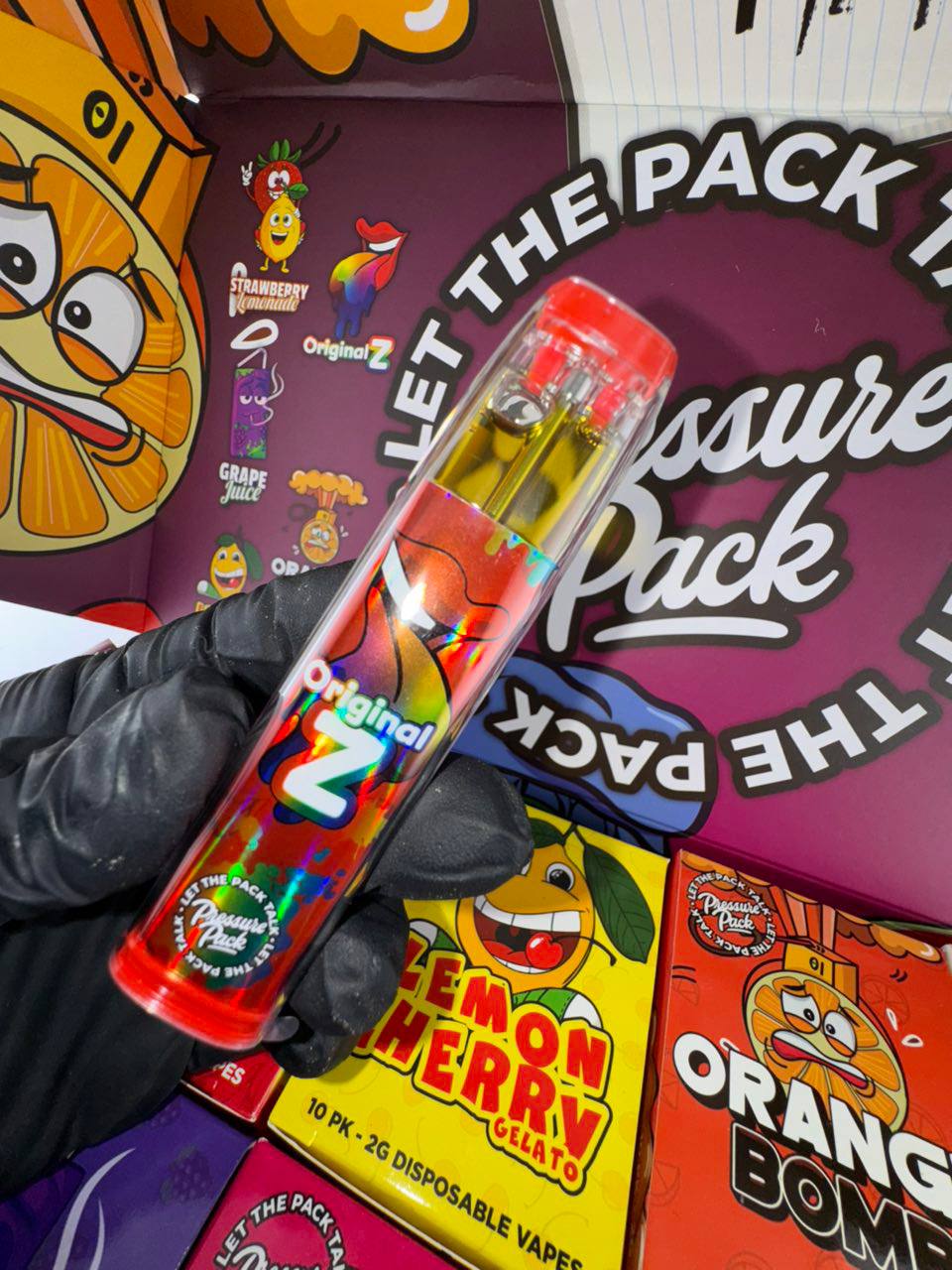
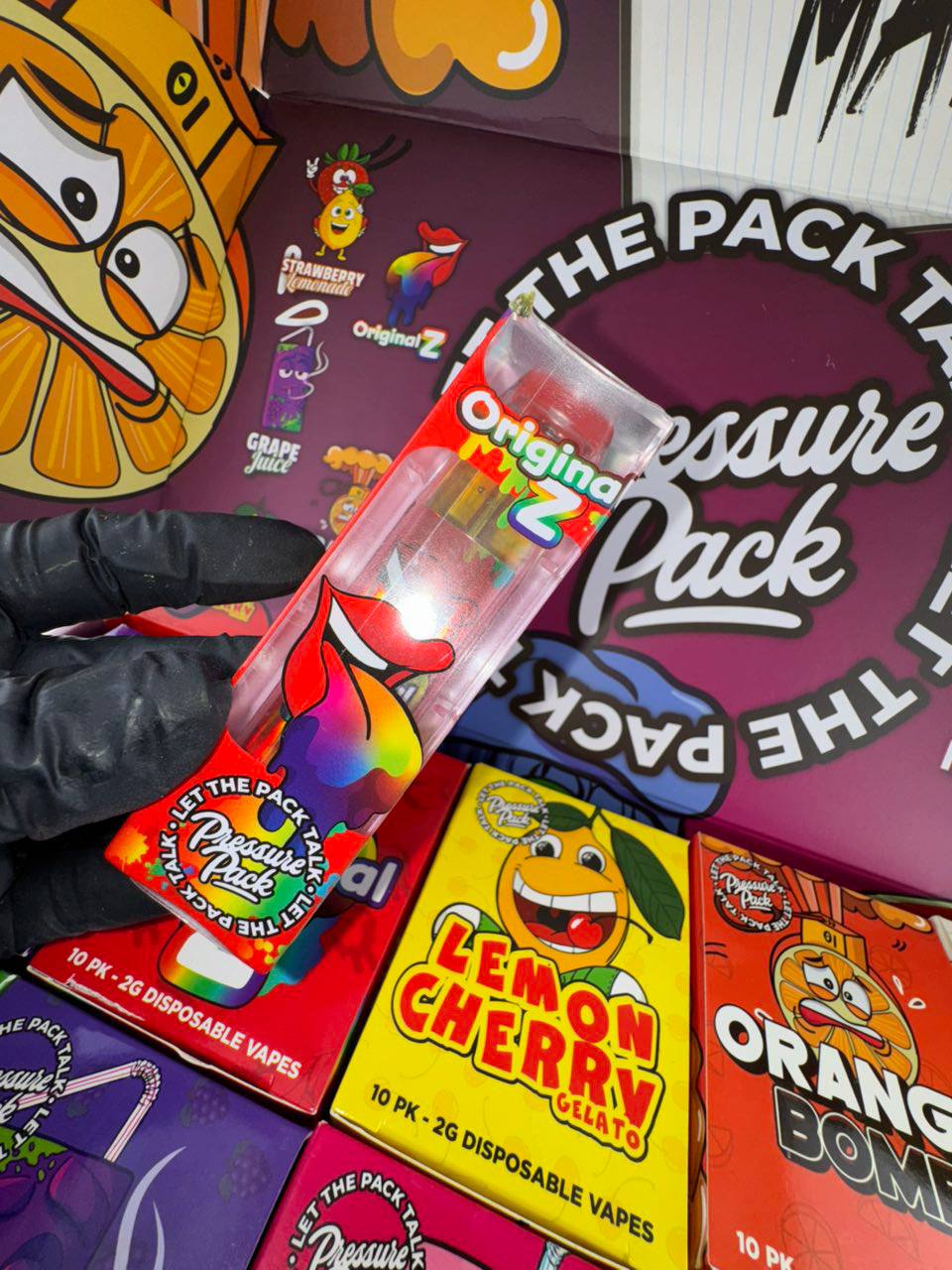
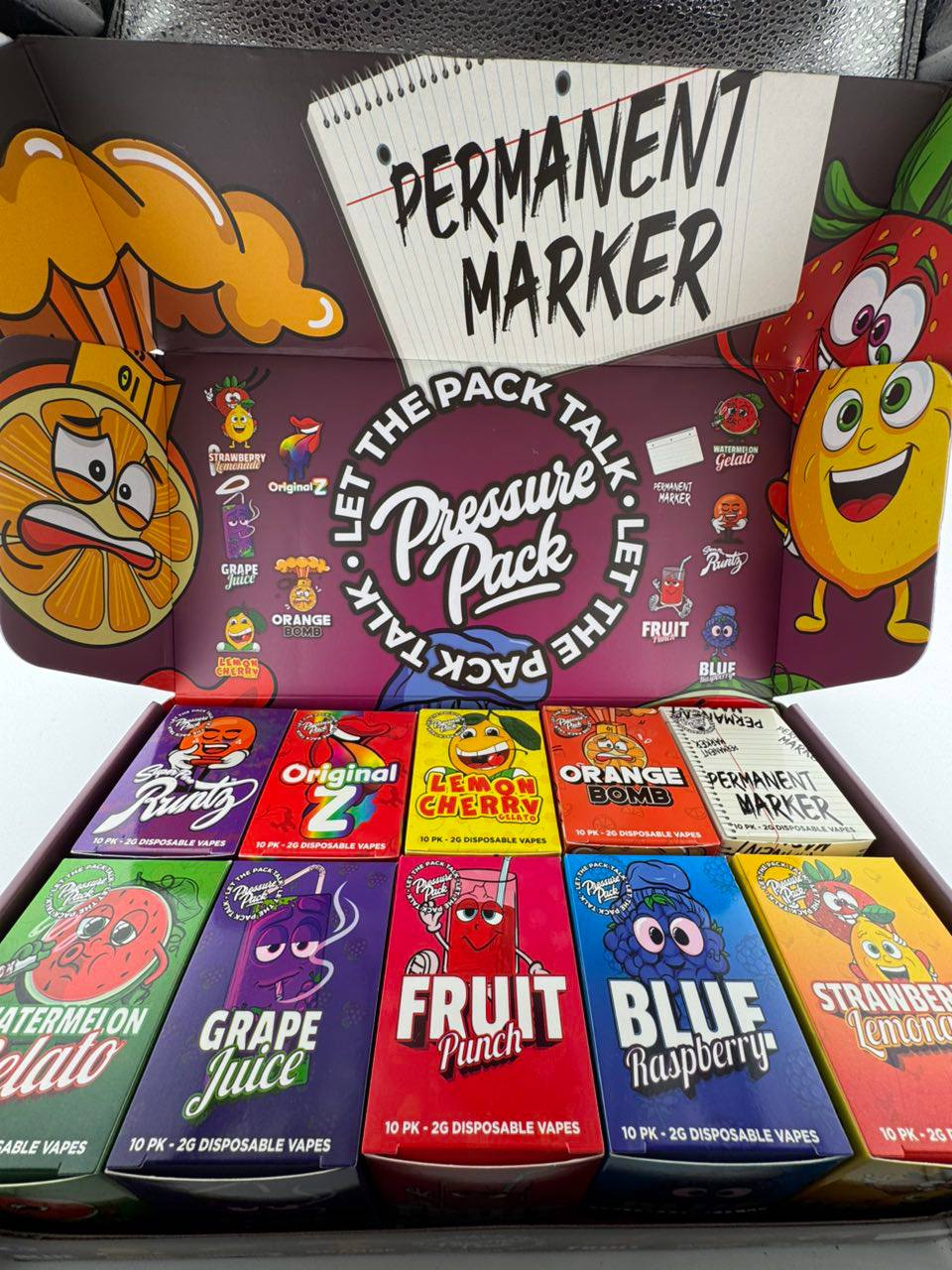
Pressure Pack 2G Disposable
Product Overview
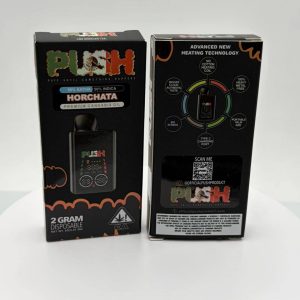
The Pressure Pack 2G Disposable is a compact, pre-filled disposable vaporizer designed around a 2-gram oil capacity. Its format combines the cartridge, battery, heating system, and mouthpiece into a single unit. As a result, the device is presented as an all-in-one format rather than a separate cartridge-and-battery setup.
The 2-gram designation refers to the stated oil capacity of the device. However, the exact contents, cannabinoid profile, terpene composition, and other product specifications can vary according to the particular batch and manufacturer. Therefore, the packaging and applicable laboratory documentation remain the most reliable sources for product-specific information.
The disposable format also gives the product a relatively simple physical design. There is no separate battery enclosure or detachable cartridge described as part of the standard configuration. Instead, the components are contained within one portable device.
Design and Construction
The Pressure Pack 2G Disposable follows the compact structure commonly associated with disposable vaporizer products. Its exterior houses the internal reservoir, heating element, battery, airflow pathway, and mouthpiece. Together, these components form a self-contained unit.
The exterior design may vary depending on the specific version, production batch, or packaging presentation. Consequently, details such as dimensions, materials, colors, graphics, and branding should be confirmed from the physical product or official manufacturer information rather than assumed from the product name alone.
Inside the device, the oil reservoir is connected to a heating system. When the device is activated according to its intended design, the heating element converts the oil into an inhalable aerosol. The resulting vapor travels through the internal airflow pathway before reaching the mouthpiece.
Because the internal components are enclosed, the product does not generally provide the same visibility into its hardware as a reusable vaporizer with a removable cartridge. This enclosed construction is characteristic of disposable formats.
2-Gram Capacity
The 2-gram capacity is one of the defining specifications associated with this product. In product descriptions, the figure generally indicates the stated amount of oil contained in the device.
However, capacity should not be confused with cannabinoid potency. A 2-gram product does not automatically indicate a particular THC concentration, CBD concentration, or overall strength. Those details depend on the formulation and should be verified through the product label or relevant laboratory testing.
Similarly, the amount of oil does not by itself establish how long a device will last. Actual consumption varies according to numerous factors, including individual usage patterns, device characteristics, and the formulation of the oil.
For that reason, the 2-gram specification is best understood as a physical product-capacity detail rather than a guarantee of duration or effects.
Oil and Formulation
The oil contained in a disposable vaporizer can include cannabinoids, terpenes, and other components depending on the formulation. The exact ingredient profile for a particular Pressure Pack 2G Disposable should be taken from its current packaging and laboratory documentation.
Cannabinoid content can differ between products and batches. In addition, terpene profiles may influence the aroma and flavor characteristics associated with a formulation. Nevertheless, flavor or aroma descriptions should not be treated as evidence of a specific physiological effect.
Product information may also identify the source or type of extract used in the formulation. Such terminology can differ between manufacturers, so the precise meaning should be determined from the producer’s published specifications.
Where laboratory testing is available, the certificate of analysis can provide additional information about cannabinoid concentrations and tested contaminants. This documentation is particularly useful when the product’s exact formulation needs to be verified.
Flavor and Aroma Characteristics
The sensory profile of a vaporizer is influenced by its oil formulation, terpene composition, heating characteristics, and other factors. Therefore, the experience can differ between formulations carrying the same product name.
Aroma descriptions may include fruit, citrus, herbal, earthy, floral, sweet, or other recognizable notes. These descriptions are sensory observations rather than guarantees, and individual perception can vary.
Likewise, flavor characteristics can change depending on storage conditions and product age. Properly documented information from the manufacturer provides a more dependable reference than generalized descriptions.
The Pressure Pack name alone does not establish a particular flavor profile. If multiple versions are available, each variant should be identified separately according to its packaging and official product information.
Disposable Format
A disposable vaporizer is designed as a self-contained product. Unlike rechargeable systems with replaceable cartridges, the major components are incorporated into one device.
This construction can simplify the physical design because a separate battery and cartridge do not need to be carried as individual components. At the same time, the enclosed format means that the internal battery and heating components are generally not intended to be replaced independently.
The product’s overall lifecycle depends on the amount of oil, battery capacity, manufacturing specifications, and other design factors. Consequently, the stated 2-gram capacity should not be interpreted as a precise prediction of the number of uses.
Different disposable devices can also employ different activation systems. Product-specific information should therefore be checked on the packaging rather than inferred from another disposable model.
Hardware Components
The internal structure of a disposable vaporizer typically includes several coordinated components. The reservoir holds the oil, while the heating element converts the formulation into aerosol. An airflow system connects the heating chamber with the mouthpiece, and an internal battery provides the required electrical power.
These parts operate together within the enclosed housing. Because the system is integrated, the exterior may reveal relatively little about the individual components.
Hardware specifications such as battery capacity, heating technology, coil construction, airflow configuration, and activation method should only be stated when they have been confirmed by reliable product documentation.
This distinction matters because disposable vaporizer designs can differ considerably even when their capacities are similar. A 2-gram capacity alone does not establish the particular hardware configuration used inside the device.
Packaging and Product Identification
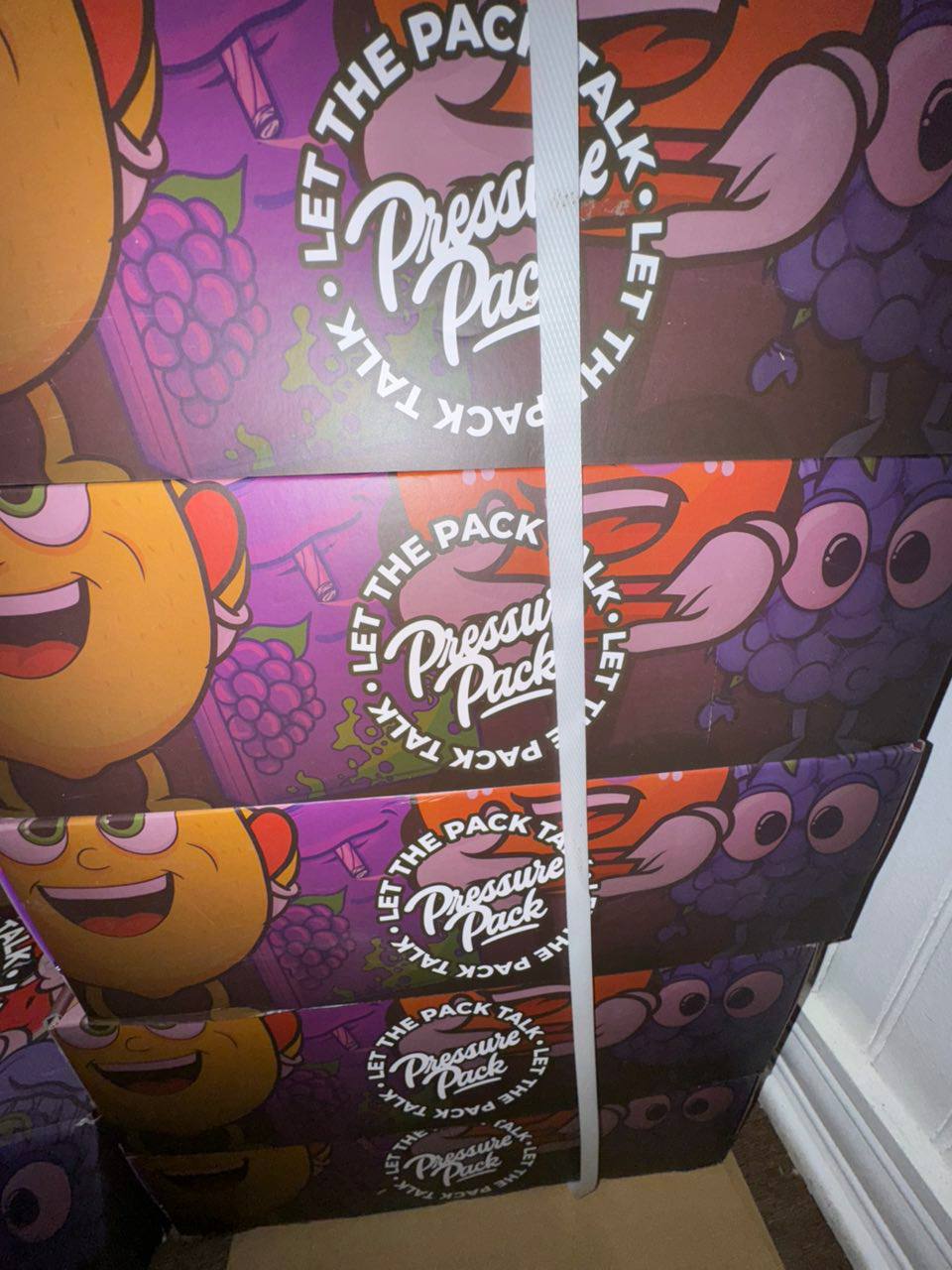
Product packaging plays an important role in identifying a particular disposable. Information may include the product name, stated capacity, cannabinoid information, batch details, manufacturer information, warnings, and other legally required labeling.
Packaging can also help distinguish authentic products from unrelated items using similar names. Therefore, the information printed on the package should be compared with available manufacturer or laboratory documentation when authenticity or composition needs to be established.
The exact appearance of packaging may change over time. Updated branding, regional requirements, production changes, and different product variants can all result in variations in presentation.
For that reason, an online description should not replace the information supplied with the physical product.
Laboratory and Quality Information
Laboratory testing can provide useful information about the contents of cannabinoid products. Depending on the applicable testing program, reports may contain cannabinoid concentrations and screening results for certain contaminants.
A certificate of analysis is generally associated with a specific batch. Therefore, the batch number on the product should correspond with the laboratory documentation being reviewed.
Testing information can be especially important when a product description does not provide complete formulation details. Rather than assuming cannabinoid percentages or purity levels, verified laboratory results offer a more appropriate source.
Quality claims should similarly be supported by manufacturer documentation or independent testing. Terms such as “premium,” “clean,” or “high quality” are not substitutes for measurable specifications.
Storage Considerations
Cannabinoid products can be affected by environmental conditions. Heat, direct light, moisture, and prolonged exposure to unsuitable conditions may influence product characteristics over time.
The manufacturer’s storage recommendations, when available, should therefore take priority. Packaging information can also provide relevant warnings and handling details.
Keeping the original packaging intact can make product identification easier as well. It preserves batch information, labeling, and other details that may be needed later.
As with other cannabinoid products, the item should be kept away from children and pets and stored in accordance with applicable local requirements.
Product Information and Transparency
Clear product information helps distinguish confirmed specifications from assumptions. For the Pressure Pack 2G Disposable, details such as capacity, cannabinoid content, ingredients, batch number, manufacturer, and laboratory results should come from verifiable sources.
A product name by itself does not confirm every characteristic of a particular unit. In addition, online listings may contain outdated information, especially when manufacturers change packaging or formulations.
Consequently, the physical package and current manufacturer documentation remain important references.
Responsible Product Description
A useful product description should present measurable characteristics without exaggerating what the product can provide. The Pressure Pack 2G Disposable can therefore be described in terms of its format, stated capacity, construction, packaging, and documented formulation.
Claims about medical benefits, guaranteed effects, performance duration, or individual outcomes should not be inferred from the product’s name or capacity. Those claims require appropriate evidence and, where relevant, regulatory authorization.
Similarly, product descriptions should distinguish sensory characteristics from physiological effects. A flavor profile may describe aroma or taste, but it does not establish how a cannabinoid product will affect an individual.
The Pressure Pack 2G Disposable is a compact, self-contained vaporizer identified by its stated 2-gram oil capacity. Its integrated construction brings together the reservoir, heating system, battery, airflow pathway, and mouthpiece within a single device.
The exact formulation and specifications depend on the particular product version and batch. Therefore, cannabinoid percentages, terpene information, ingredients, hardware specifications, and testing results should be confirmed through the current packaging and reliable manufacturer or laboratory documentation.
Its main identifying characteristics are the disposable format, integrated hardware, and stated 2-gram capacity. Beyond those basic specifications, product details should remain tied to verified information rather than assumptions.
For accurate identification, consumers and retailers can refer to the product label, batch information, certificate of analysis where available, and applicable local regulations. This approach provides a clearer and more transparent description while avoiding unsupported claims about effects, quality, or performance.
Additional Product Details
Portable Product Structure
The compact structure of the Pressure Pack 2G Disposable is one of its most noticeable physical characteristics. The device brings several internal components together inside a single housing, creating a straightforward form factor.
Unlike larger vaporizer systems, the disposable format does not rely on an external battery enclosure. Instead, the battery is integrated into the device itself. The oil reservoir and heating components are also housed internally, which gives the product a unified appearance.
This type of construction can make the device visually simple. At the same time, the internal design remains relatively complex because several individual components must work together within a small space.
The exterior housing provides protection for these components while also providing the surface used for product labeling and identification. Depending on the specific production version, the housing may feature different graphics, finishes, or branding elements.
Integrated Battery System
A disposable vaporizer requires an internal power source to operate its heating element. In this type of design, the battery is contained within the device rather than supplied as a separate removable component.
The exact battery specifications for a particular Pressure Pack 2G Disposable should be verified from official documentation. Capacity, charging configuration, activation system, and other electrical characteristics can vary between models.
Some disposable products use an automatic activation mechanism, while others incorporate different hardware configurations. Therefore, assumptions about activation or charging features should not be applied unless those details are confirmed for the specific version.
The battery and heating system are designed to work together. Ideally, the electrical system provides sufficient power for the device’s intended operating characteristics throughout its usable lifecycle.
Heating Technology
The heating element is a central component of any vaporizer. It converts the oil into an aerosol that passes through the airflow pathway and reaches the mouthpiece.
The precise heating technology used in the Pressure Pack 2G Disposable depends on the particular manufacturing specification. Information about coil type, chamber design, temperature control, or heating material should be based on verified technical documentation.
Different heating systems can influence vapor characteristics, but those differences should not be presented as guaranteed outcomes without supporting evidence.
The condition of the device can also affect its operation. Physical damage, manufacturing defects, storage conditions, and other factors may influence the performance of an enclosed vaporizer.
Airflow Design
Airflow provides the pathway between the internal heating chamber and the mouthpiece. Within a disposable device, this pathway is built into the housing.
The airflow structure can influence the way vapor moves through the device. However, specific airflow characteristics cannot be accurately determined from the product name or 2-gram capacity alone.
Some devices are designed with relatively open airflow, while others use a more restricted configuration. The actual design depends on the manufacturer’s hardware choices.
Keeping the description focused on confirmed specifications helps prevent confusion between documented characteristics and assumptions based on similar products.
Mouthpiece Design
The mouthpiece forms the point of connection between the user and the internal airflow pathway. It is generally incorporated into the upper portion of a disposable vaporizer.
Its shape and material can vary between manufacturers and product versions. Some designs emphasize a compact profile, while others use a wider or more contoured mouthpiece.
The mouthpiece is also part of the overall product housing, so its appearance may contribute to the visual identity of the device.
Because exact construction materials are not always published, descriptions should avoid identifying a specific material unless the manufacturer confirms it.
Oil Reservoir
The internal reservoir stores the formulation associated with the disposable. With the Pressure Pack 2G Disposable, the stated capacity is two grams.
The reservoir is enclosed within the device, meaning that its contents are not normally intended to be handled separately. This differs from refillable systems in which users can add liquid or oil to a reusable tank.
The actual amount of usable material can depend on the device’s internal design and manufacturing tolerances. Therefore, the nominal capacity should be treated as a stated product specification rather than a precise measurement of usable output.
The formulation itself may also differ between batches. Current labeling remains the appropriate source for determining the contents of a specific unit.
Product Consistency
Consistency between individual units depends on manufacturing processes, formulation controls, packaging, and quality assurance procedures.
When laboratory documentation is available, batch-specific results can provide additional information about the product’s composition. Such documentation is more useful than broad claims that apply to an entire product line without identifying a particular batch.
Variations can occur naturally in agricultural cannabinoid materials and extracted formulations. Manufacturing processes are intended to manage these differences, although the extent of consistency depends on the producer and applicable quality controls.
For that reason, transparent product information should identify measurable specifications whenever those specifications are available.
Cannabinoid Information
Cannabinoid content is an important part of the product’s identity. However, the product name and 2-gram capacity do not establish the cannabinoid concentration.
A product may contain different proportions of cannabinoids depending on its formulation. THC, CBD, minor cannabinoids, and other compounds may be present in varying quantities.
The appropriate source for this information is the current product label or batch-specific laboratory report.
Cannabinoid concentrations may also be presented in different formats. Some labels provide percentages, while others provide quantities by weight. Understanding the distinction can help prevent inaccurate comparisons between products.
Terpene Profile
Terpenes contribute to the aromatic characteristics of many botanical products. In cannabinoid formulations, they may be naturally occurring, added during formulation, or present as part of an extract.
The exact terpene profile of a Pressure Pack 2G Disposable depends on its formulation. Consequently, individual variants can have different aromatic characteristics even when they share the same general product format.
Descriptions of citrus, fruit, floral, herbal, earthy, or other notes are sensory descriptions rather than guarantees of effects.
Where a manufacturer publishes terpene information, those details can provide a more accurate representation of the formulation.
Appearance and Presentation
Product appearance can contribute to recognition and differentiation. Packaging graphics, printed information, housing finishes, and other visual details may distinguish one product version from another.
However, appearance alone does not establish authenticity or product composition. Counterfeit or improperly labeled products can imitate visual characteristics, while legitimate manufacturers can also change packaging between production periods.
For that reason, product identification should involve more than comparing colors or graphics.
Batch information, manufacturer details, labeling, and laboratory documentation provide stronger verification points when available.
Manufacturing Information
Manufacturing details can vary considerably between product lines. Some manufacturers provide extensive information about extraction, formulation, filling, hardware assembly, and testing, while others publish only basic specifications.
Without verified documentation, it is not appropriate to assign a specific extraction process or manufacturing method to a product.
For the Pressure Pack 2G Disposable, reliable product information should therefore remain limited to characteristics that have been documented.
This approach also helps keep product descriptions accurate when different versions appear under similar names.
Batch Identification
Batch numbers provide a useful reference for product traceability. They can connect an individual unit or production group with manufacturing and laboratory records.
A batch identifier may appear on the packaging alongside other information such as production dates, lot numbers, or testing references.
When a certificate of analysis is available, matching the batch number on the product with the number on the report can help confirm that the document corresponds to the specific product being reviewed.
Batch information can also become useful when manufacturers issue updated formulations or packaging. Rather than relying on older descriptions, the batch information allows the product to be evaluated according to its current documentation.
Regulatory Labeling
Cannabinoid products can be subject to different labeling and regulatory requirements depending on the jurisdiction in which they are produced or sold.
Required information may include ingredient details, cannabinoid quantities, warnings, manufacturer information, batch identification, and other statements.
Because regulations change between regions, a description written for one market may not accurately represent labeling requirements in another.
Therefore, the packaging supplied with a specific product should remain the primary reference for regulatory information.
Authenticity Considerations
Product authenticity is an important consideration for any branded cannabinoid product. Visual similarities alone are not sufficient to establish that a unit is genuine.
Packaging quality, batch information, manufacturer details, and available verification systems can provide additional evidence.
If a manufacturer offers an authentication process, its current official information should be used rather than relying on unofficial websites or third-party claims.
Laboratory documentation can provide another layer of product information when the report corresponds directly to the relevant batch.
Storage and Product Condition
Environmental conditions can influence the condition of cannabinoid products over time. Excessive heat, direct sunlight, moisture, and other unsuitable conditions may affect the formulation or physical components.
The manufacturer’s storage information should take priority because different formulations and hardware systems can have different requirements.
Packaging can also protect the device from environmental exposure before it reaches the end user. Maintaining the original packaging can preserve important information about the product.
Changes in appearance, leakage, damaged housing, or other unusual physical conditions may indicate that the product requires further evaluation rather than being treated as an ordinary unit.
Shelf-Life Information
The useful storage period of a cannabinoid disposable depends on its formulation, packaging, hardware, and environmental conditions.
Some products include production dates, expiration information, or recommended storage periods on their packaging. When such information is provided, it should take precedence over generalized shelf-life assumptions.
The age of a product can matter because both the oil and hardware components may change over time. Proper storage can help maintain product condition, although it cannot guarantee a specific performance period.
For accurate product information, the date and batch details printed on the packaging are more useful than an estimated universal shelf life.
Packaging Accuracy
Accurate packaging provides a foundation for transparent product identification. The product name, capacity, formulation information, manufacturer details, and batch information should correspond with the physical item.
Packaging may also contain legally required warnings or handling statements. These details can vary according to the jurisdiction.
Online descriptions should therefore complement rather than replace the physical label.
When discrepancies appear between an online listing and the product package, the current physical packaging and official documentation should receive greater consideration.
Product Variations
The same general disposable format can appear in multiple formulations or versions. Differences may involve cannabinoid composition, terpene profile, hardware configuration, packaging design, or other specifications.
Because of these potential variations, a description should avoid treating every product carrying a similar name as identical.
A product listing is most useful when it clearly identifies the specific version being described. Batch information can provide an additional level of distinction.
This becomes particularly important when older product descriptions remain available online after a manufacturer has changed its formulation or packaging.
Product Description Accuracy
Accuracy is particularly important when describing cannabinoid products because formulation and regulatory information can change.
A description should not automatically carry specifications from an older version into a newer listing. Instead, product information should be reviewed against current packaging and documentation.
Likewise, a product’s stated capacity should not be used to infer potency, duration, or effects.
These distinctions make a product description more useful because readers can understand what is confirmed and what remains dependent on the specific product version.
Overall Product Profile
The Pressure Pack 2G Disposable can be characterized primarily by its integrated disposable construction and stated two-gram capacity. The device combines an oil reservoir, battery, heating system, airflow pathway, and mouthpiece within one compact housing.
Its exact formulation remains dependent on the particular version and production batch. Cannabinoid concentrations, terpene composition, ingredients, and laboratory results therefore require verification from current documentation.
The same principle applies to hardware specifications. Details about the heating element, battery, airflow system, activation method, and charging characteristics should only be included when they have been confirmed.
This factual approach creates a product profile that remains useful without relying on exaggerated claims or assumptions.
Closing Overview
The Pressure Pack 2G Disposable represents a self-contained vaporizer format centered on a stated two-gram oil capacity. Its integrated construction distinguishes it from reusable vaporizer systems that use separate batteries and replaceable cartridges.
The product’s most reliable characteristics are those documented on its current packaging and supporting manufacturer or laboratory materials. Capacity, formulation, cannabinoid information, terpene details, hardware specifications, and testing information should all be evaluated according to the specific product version.
As a result, a complete description benefits from clear organization and careful separation between confirmed specifications and generalized observations. The product name identifies the device, while the packaging and batch documentation provide the information needed to understand its particular contents and construction.
This approach keeps the product profile straightforward, transparent, and suitable for readers who want factual information about the device without unsupported claims about performance or effects.

Reviews
There are no reviews yet.