

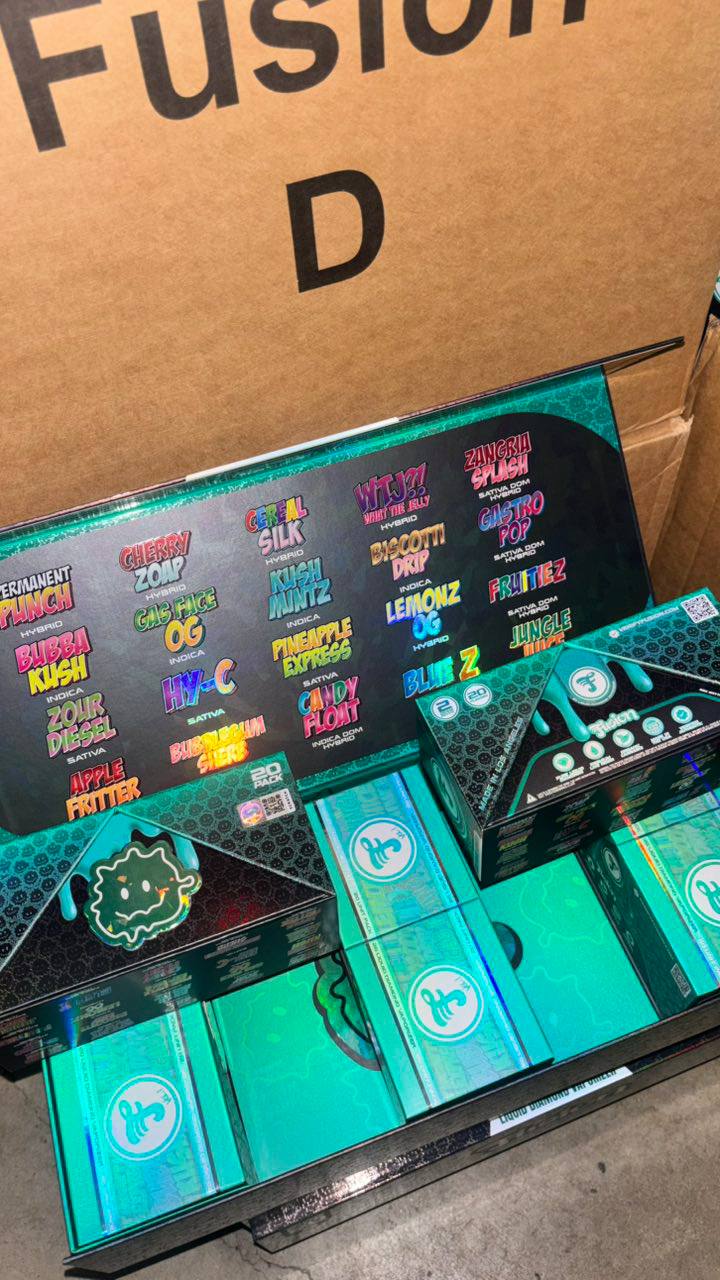
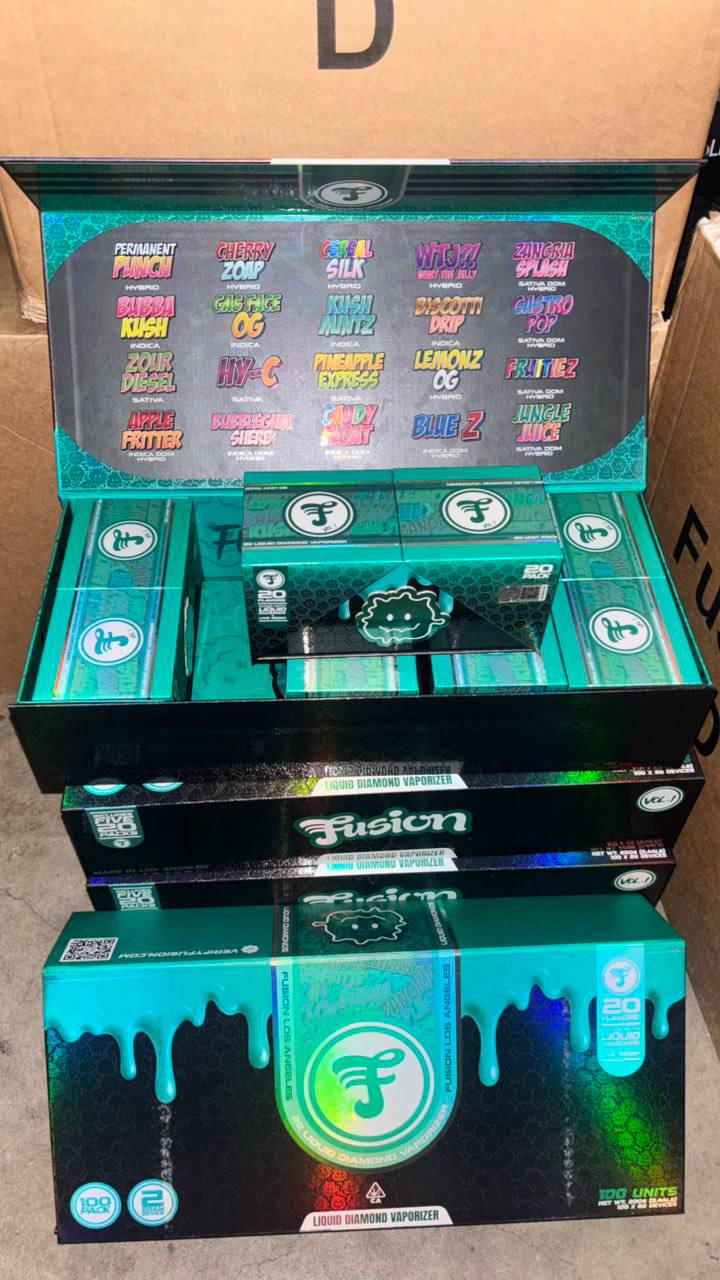
Fusion 2G Disposable: Product Overview and General Information
Introduction
The Fusion 2G Disposable is a compact, pre-filled disposable device designed around a simple, self-contained format. Its name indicates a 2-gram capacity, although the exact contents, formulation, cannabinoid or nicotine profile, and hardware specifications can vary depending on the particular Fusion product and market.
Unlike refillable devices, a disposable unit combines the reservoir and hardware into one product. This creates a straightforward format with fewer separate components. The device is generally presented as a portable option, while its overall design may differ between batches, editions, or manufacturers.
Because product specifications can vary, the packaging remains the most reliable source for information about the specific unit. Label details may include the formulation, stated contents, batch information, manufacturer information, warnings, and other relevant product details.
Product Format
The Fusion 2G Disposable belongs to the broad category of pre-filled disposable devices. Rather than requiring a separate cartridge, tank, or refill container, the components are integrated into a single unit.
This format can make the physical design relatively compact. At the same time, the internal construction determines important characteristics such as capacity, airflow, heating technology, battery performance, and overall dimensions.
The “2G” designation generally refers to a stated two-gram amount of material in products where gram-based capacity is applicable. However, the designation alone does not establish the exact chemical composition or potency of the contents.
For that reason, product descriptions should distinguish between the stated capacity and other specifications. A 2-gram designation should not automatically be interpreted as a measurement of cannabinoid concentration, nicotine strength, or expected duration.
Design and Construction
A disposable device normally contains several integrated components. These can include an internal battery, heating element, reservoir, mouthpiece, and airflow system. The exact construction depends on the manufacturer and product version.
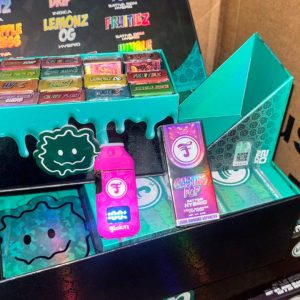
The exterior may feature printed branding, product information, and other visual elements. Some versions can have distinctive packaging or color schemes, while others may use a more understated appearance.
The integrated design also means that the individual internal components generally are not intended to be separated by the end user. Once the product reaches the end of its intended service life, disposal should follow applicable local requirements.
Since manufacturers can change hardware without changing a product’s general name, the physical appearance of one Fusion 2G Disposable may not perfectly match another unit sold under a similar designation.
Stated 2G Capacity
Capacity is one of the primary details associated with the Fusion 2G Disposable name. The stated 2-gram capacity describes the amount represented by the product specification, but it should not be confused with potency.
For example, the total amount of material and the concentration of an active ingredient are separate measurements. The label should therefore be checked for the precise formulation and stated concentration.
In addition, actual usable contents can depend on manufacturing tolerances and hardware design. Product packaging provides the appropriate reference for the particular unit rather than relying solely on the product name.
This distinction is especially important when comparing products. Capacity, concentration, formulation, and device specifications each describe different aspects of a disposable product.
Formulation Information
The formulation inside a disposable device depends on the specific Fusion product. Without verified packaging or manufacturer documentation, it would be inappropriate to assign particular cannabinoids, nicotine levels, terpenes, extracts, or other ingredients to every product carrying the Fusion 2G name.
Consequently, ingredient information should be taken directly from the label or accompanying documentation.
If a package identifies cannabinoids, those values can provide more useful information than the product name alone. Similarly, if the packaging lists nicotine concentration, that figure should be used rather than assuming a standard strength.
Third-party laboratory information may also be available for certain products. Where such documentation exists, it can provide additional information about the reported composition and testing results.
Flavor and Aroma Information
Flavor descriptions can differ substantially between Fusion products and individual versions. A product name by itself does not establish a particular flavor profile.
For an accurate description, the specific flavor printed on the packaging should be used. This approach avoids assigning characteristics that may not apply to the particular unit.
Where verified flavor information is available, it can be described in straightforward terms. Descriptions may refer to broad sensory characteristics such as fruit, citrus, mint, dessert, herbal, or other identifiable notes, provided those characteristics are supported by the product labeling or manufacturer information.
Aroma and flavor are subjective experiences, so they can also vary between individuals. Storage conditions, formulation, hardware, and product age may influence the perceived profile.
Hardware Characteristics
Hardware plays an important role in the overall construction of a disposable device. Internal components determine how the product operates and how the contents are delivered through the heating system.
A typical disposable may incorporate an internal battery and heating element. However, the exact technology used by the Fusion 2G Disposable should be confirmed from the manufacturer’s specifications rather than assumed from the product category.
Some disposable products are activated through inhalation, while others may use different controls. Because operating mechanisms can vary, packaging instructions should take precedence over generic descriptions.
Similarly, battery capacity and charging capability should not be assumed unless those specifications are explicitly provided.
Portability
The integrated construction of a disposable device can result in a relatively compact form. This characteristic is one reason disposable formats are commonly associated with portability.
However, dimensions and weight can vary by model. A specific product should therefore be measured or checked against official specifications before exact dimensions are published.
The external body can also provide space for product labeling and identification information. Batch numbers, warnings, ingredient details, and manufacturer information may appear on the packaging or device.
Portability does not eliminate the need for responsible storage. Products containing regulated or intoxicating substances should be kept according to applicable safety guidance and away from children and unauthorized users.
Packaging and Identification
Packaging provides important information about a specific Fusion 2G Disposable. The package may identify the product name, stated capacity, formulation, batch information, manufacturer, warnings, and other regulatory details.
Packaging can also help distinguish different versions of a product. Similar names may be used across multiple formulations, so checking the complete label is preferable to relying on the product title alone.
Where authenticity is a concern, available verification information should be checked through the manufacturer’s official resources when applicable. Packaging inconsistencies, missing information, or unclear labeling can warrant additional verification.
The product name should therefore be treated as an identification starting point rather than a complete specification sheet.
Product Consistency
Consistency is influenced by manufacturing, formulation, storage, and hardware. Two products with similar names may not necessarily have identical specifications if they come from different production runs or markets.
For this reason, reliable product information should be tied to the specific packaging and batch whenever possible.
Laboratory testing can provide another layer of information when it is independently available and appropriately documented. Testing reports may identify measured constituents and help clarify the contents represented on the label.
Nevertheless, a laboratory report should correspond to the relevant product and batch. A report for a different item should not automatically be presented as evidence for another unit.
Storage Considerations
Storage conditions can affect many types of packaged products. Temperature, humidity, sunlight, and physical handling can all influence product condition.
The manufacturer’s storage guidance should take priority whenever it is available. In general, packaging should remain intact, and the device should be protected from excessive heat, moisture, and direct sunlight.
Products containing regulated substances should also be stored securely. They should not be left where children, pets, or unauthorized individuals can access them.
Proper storage is particularly relevant for disposable devices because the unit contains both its formulation and internal hardware. Physical damage to the device can therefore affect more than one component.
Safety and Responsible Handling
A disposable device should be treated as a packaged consumer product containing an active formulation and, in many cases, an internal battery.
The product should not be modified, dismantled, punctured, or otherwise altered. Damaged devices should be handled according to applicable manufacturer and local safety guidance.
The labeling should also be reviewed for age restrictions, ingredient warnings, and other applicable notices. Regulations differ by location, so the legal requirements in the relevant jurisdiction should be considered.
If the product contains nicotine or cannabinoids, additional restrictions may apply. The specific label and applicable local regulations provide the most appropriate reference.
Regulatory Considerations
The legal status of disposable products can vary significantly by country, state, province, or municipality. Ingredients that are permitted in one jurisdiction may be restricted in another.
Likewise, rules concerning possession, sale, advertising, packaging, labeling, and age restrictions can differ.
Therefore, a general product description should not imply that the Fusion 2G Disposable is legal everywhere. Regulatory status should be established according to the jurisdiction where the product is manufactured, distributed, possessed, or used.
Official government information and applicable product documentation provide more reliable guidance than generic online descriptions.
Authenticity and Product Information
Authenticity can be an important consideration when a product has multiple versions or is sold through different distribution channels.
The packaging should contain identifying information that corresponds with the product itself. Where the manufacturer provides a verification system, that resource can offer additional information.
A mismatch between the packaging and device, missing labeling, damaged seals, or unusually incomplete product information may make verification more difficult.
Product descriptions should also avoid presenting unverified claims as facts. In particular, potency, ingredient percentages, laboratory results, manufacturing location, and hardware features should only be stated when they are supported by reliable documentation.
Comparing Capacity With Potency
The distinction between capacity and potency deserves particular attention.
A 2-gram designation describes the stated amount associated with the product. It does not, by itself, identify the concentration of an active ingredient.
Potency is generally represented separately through information such as cannabinoid percentages, milligram amounts, nicotine concentration, or another applicable measurement.
Consequently, two products with the same stated capacity can have different formulations and concentrations.
This distinction also improves product comparisons because it prevents capacity from being mistaken for strength. A clear description should keep these measurements separate.
General Product Experience
The experience associated with a disposable device depends on multiple factors, including its formulation, concentration, hardware, and individual response.
Because those variables can differ, generalized claims about effects or duration should not be presented as universal facts.
The same principle applies to flavor and vapor characteristics. Individual perceptions can vary, while hardware differences can influence the physical output of a device.
A factual product description is therefore more useful when it focuses on verifiable specifications instead of promising a particular experience.
Device Life and Disposal
A disposable device has a finite service life. Its usable period can depend on the internal battery, reservoir, hardware design, and other product-specific factors.
Exact duration should not be guaranteed unless the manufacturer provides a reliable specification.
Once a device is no longer intended for use, disposal should follow applicable local requirements. Because disposable devices can contain batteries and residual materials, they may require handling that differs from ordinary household waste.
Local waste authorities or manufacturer guidance can provide the most accurate disposal information.
Why Product Specifications Matter
Clear specifications help distinguish one disposable product from another. Capacity, formulation, ingredients, concentration, battery characteristics, dimensions, and packaging details each provide different information.
For the Fusion 2G Disposable, these details should be confirmed against the particular version being described.
This approach also makes product information easier to understand. Rather than relying on broad marketing language, readers can identify the characteristics that are actually documented.
Furthermore, accurate specifications reduce confusion between similarly named products.
Frequently Asked Questions
What is the Fusion 2G Disposable?
The Fusion 2G Disposable is a pre-filled disposable device identified by a stated 2-gram capacity. Exact formulation and hardware specifications depend on the particular product version.
What does 2G mean?
The “2G” designation generally refers to a stated two-gram capacity where the product specification uses gram-based measurement. It does not automatically describe potency or concentration.
Does every Fusion 2G Disposable have the same formulation?
Not necessarily. Product versions can differ in formulation, flavor, ingredients, hardware, and labeling. The packaging for the specific unit provides the most reliable information.
How can the contents be verified?
The product label and any available manufacturer documentation should be checked first. If a corresponding laboratory report is available, it can provide additional information about the tested contents.
Is the device rechargeable?
Rechargeability should not be assumed. The specific model’s packaging or manufacturer specifications should identify whether charging is supported.
How long does a 2-gram disposable last?
There is no universal duration. Service life depends on the device design, formulation, battery, and individual usage pattern. Manufacturer specifications should be used when an exact figure is available.
What information should be checked before purchasing or possessing one?
Relevant information includes the formulation, stated capacity, concentration, ingredients, manufacturer, batch details, warnings, applicable age restrictions, and local legal requirements.
Can the device be modified?
Disposable devices are not intended to be dismantled or modified. Altering the hardware can create safety and product-integrity concerns.
How should the product be stored?
The manufacturer’s storage instructions should be followed. In addition, the device should be protected from unsuitable environmental conditions and kept away from children and unauthorized users.
How should an empty device be disposed of?
Disposal requirements vary by location. Because disposable devices may contain batteries and residual material, local disposal guidance should be followed rather than automatically treating the unit as ordinary household waste.
The Fusion 2G Disposable represents a compact, integrated product format built around a stated 2-gram capacity. Its exact characteristics, however, depend on the particular version, formulation, hardware, and market.
A reliable description therefore focuses on information that can be verified from the product packaging and manufacturer documentation. Capacity should be distinguished from potency, while flavor, ingredients, battery specifications, activation method, and laboratory information should only be included when they are documented.
In addition, responsible handling remains an important part of understanding any disposable device. Storage, age restrictions, local regulations, authenticity information, and disposal requirements can all vary according to location and product specifications.
Ultimately, the product label provides the best starting point for identifying a specific Fusion 2G Disposable. Clear documentation allows readers to understand what the product contains, how it is identified, and which specifications actually apply to the particular unit.
Additional Product Information
Understanding the Product Label
The product label is one of the most useful sources of information for identifying a specific Fusion 2G Disposable. Although the product name provides a basic identification point, the label can reveal details that are not apparent from the name alone.
Important information may include the stated contents, formulation, manufacturer, batch number, production information, warnings, and regulatory details. Depending on the jurisdiction and product category, additional information may also be required.
For that reason, product information should remain closely connected to the actual packaging. A general description can explain the product format, but it should not replace the manufacturer’s labeling.
Batch and Lot Information
Batch and lot numbers can help distinguish one production run from another. These identifiers may be printed directly on the packaging or included through a separate label.
When laboratory documentation is available, the batch number can be particularly useful because it may allow the report to be compared with the product being examined.
However, a laboratory report should correspond to the relevant batch before its results are associated with a specific unit. Reports from unrelated products or different production runs should not be presented as direct evidence for the contents of another product.
This distinction helps maintain accurate product information and reduces confusion when multiple versions are available.
Manufacturing Information
Manufacturing information can provide additional context about a disposable device. Depending on the product and jurisdiction, packaging may identify the manufacturer, distributor, production location, or other responsible party.
These details can also help with product verification. If the packaging contains incomplete or inconsistent information, the manufacturer’s official documentation may provide clarification.
Manufacturing claims should therefore be supported by packaging or reliable documentation rather than assumptions based on branding.
Hardware and Form Factor
The physical structure of a disposable device affects its overall specifications. Internal components can include a reservoir, heating element, battery, airflow system, and mouthpiece.
The external shape may be designed around portability, while the internal layout determines how these components fit together.
Even so, the exact hardware used in a Fusion product should be verified for the specific model. Product names alone do not establish technical specifications such as battery capacity, coil design, charging capability, or activation system.
A clear description can acknowledge the general disposable format while leaving model-specific characteristics to documented specifications.
Activation System
Disposable devices may use different activation systems. Some products are designed around draw activation, while others may include a physical control or another mechanism.
Because the activation method is a hardware-specific feature, it should not be assumed without supporting information.
The package instructions, manufacturer specifications, or markings on the device can provide the appropriate reference. This also helps prevent confusion between different versions that may share similar branding.
Airflow Design
Airflow is another hardware characteristic that can vary between disposable models.
The airflow pathway affects how air moves through the device and interacts with the heating system. However, airflow characteristics are difficult to describe accurately without product specifications or direct testing.
Therefore, generalized claims about a particular airflow experience should be avoided unless they are supported by reliable documentation.
Battery Information
A disposable device generally incorporates a battery as part of its integrated construction. The battery provides power to the heating system, although its capacity and charging characteristics can vary by model.
Battery specifications should be taken from the manufacturer whenever they are available. Claims about exact battery capacity, charging speed, operating time, or expected lifespan should not be inferred from the stated 2-gram capacity.
Capacity of the contents and capacity of the battery represent entirely different measurements.
Storage Environment
Storage can influence the condition of both the device and its contents. Excessive heat, direct sunlight, moisture, and physical damage may affect packaged products.
Manufacturer guidance should therefore be followed whenever specific storage conditions are provided.
A secure storage location is also important for products that contain regulated substances. The device and its packaging should remain inaccessible to children and anyone who is not legally permitted to possess the product.
Packaging Condition
The condition of the packaging can provide useful information during product inspection. Clear labeling, intact packaging, and readable identification details make it easier to verify the product.
Damaged or incomplete packaging can make identification more difficult. Missing batch information, unclear labels, or inconsistencies between the device and package may warrant additional verification.
This does not automatically establish that a product is counterfeit or defective. Instead, it means that the available information is insufficient for confident identification.
Authenticity Considerations
Product authenticity can be difficult to establish from appearance alone. Packaging designs can change, and visual similarities may exist between genuine and unauthorized products.
Where the manufacturer provides an authentication or verification system, that resource is generally more useful than relying on photographs or general descriptions.
A product description should therefore avoid definitive authenticity claims unless the relevant information has been independently verified.
Laboratory Testing
Laboratory testing can provide additional information about product composition when a valid report is available.
Depending on the product category, testing may identify specific cannabinoids, nicotine, residual compounds, contaminants, or other measured constituents.
The relevance of a report depends on whether it corresponds to the actual product and batch. A report should not automatically be applied to every item carrying the same general product name.
Testing information is consequently best treated as product-specific documentation rather than a universal characteristic.
Ingredient Transparency
Ingredient transparency allows readers to understand what a product contains. However, the ingredients should be taken from reliable documentation.
A product title may identify a brand, edition, or flavor without revealing the complete formulation. Similarly, a marketing name may not provide enough information to determine the concentration of an active substance.
The packaging remains the appropriate starting point for identifying listed ingredients.
When documentation is incomplete, it is better to acknowledge the limitation than to fill the gap with assumptions.
Product Naming
The name “Fusion 2G Disposable” communicates several basic ideas, but it should not be treated as a complete technical specification.
“Fusion” identifies the product or brand designation, while “2G” generally indicates the stated capacity. “Disposable” describes the product format.
Additional information must come from the specific product version.
This distinction is useful because product names often function as identifiers rather than detailed specification sheets.
Information That Should Not Be Assumed
Several characteristics should not be assigned to a product without evidence.
These include exact potency, cannabinoid percentages, nicotine strength, flavor composition, terpene profile, battery capacity, charging capability, laboratory results, manufacturing location, and expected service life.
Such details may differ from one version to another.
Using verified information keeps the description accurate and prevents unsupported claims from becoming part of the product record.
Consumer Information
Readers evaluating a disposable product may be interested in more than its appearance. Product capacity, formulation, labeling, hardware, testing, and regulatory information can all provide useful context.
At the same time, product information should remain factual. Descriptions should not promise particular physical or psychological effects, guaranteed performance, or a specific duration.
Individual responses and product characteristics can vary, so neutral language provides a more reliable overview.
Legal and Age Requirements
Legal requirements surrounding disposable products vary considerably.
Some jurisdictions regulate products according to their ingredients, while others impose additional requirements based on product type, age, packaging, labeling, or intended use.
For that reason, a general description cannot establish whether a particular Fusion 2G Disposable may legally be purchased, possessed, or distributed in every location.
Local laws and official regulatory sources should be consulted for jurisdiction-specific requirements.
Environmental Considerations
Disposable devices combine several materials into one compact product. Depending on the construction, these may include plastic, metal, electronic components, a battery, and residual product material.
Because of this combination, disposal may require special handling.
Electronic-waste and battery-recycling requirements can vary between jurisdictions. Local waste-management authorities can provide the most appropriate disposal information.
The product should not be deliberately damaged or dismantled simply to separate its internal components.
Product Condition
The condition of a disposable device can influence how it should be handled.
Signs such as physical cracks, leakage, unusual damage, loose components, or battery-related problems should be treated seriously. A damaged device should not be modified in an attempt to restore it.
Manufacturer guidance is the preferred source for handling concerns involving damaged units.
Documentation and Product Records
Keeping the original packaging can be useful because important identifying information may appear only on the package.
Batch numbers, formulation details, warnings, manufacturer information, and testing references may all be easier to locate on the original label.
This information can also assist with product verification or inquiries involving the manufacturer.
A Balanced Product Description
A strong product description does not need to rely on exaggerated claims. Instead, it can explain what the product is, how it is identified, which specifications are documented, and which details depend on the particular version.
For the Fusion 2G Disposable, the most certain general description is that it is a disposable product associated with a stated 2-gram capacity.
Everything beyond that basic designation should be connected to verified product information.
This approach makes the description clearer while also reducing the risk of inaccurate claims.
Frequently Asked Questions: Additional Details
Does the 2-gram capacity indicate strength?
No. Capacity and strength are separate measurements. The concentration or potency should be checked independently on the product label or supporting documentation.
Can the same product name refer to different versions?
Yes. Product versions can differ by formulation, flavor, hardware, packaging, or market. The complete product label provides more precise identification.
Is laboratory testing always available?
No. Availability depends on the manufacturer, product, jurisdiction, and distribution channel. When testing documentation exists, it should correspond to the relevant product or batch.
Are exact performance claims reliable?
Only when they are supported by appropriate manufacturer specifications or testing. Battery life, duration, output, and other performance characteristics can vary.
Why is the packaging important?
Packaging can contain information that is not visible on the device itself. It may include formulation details, batch numbers, warnings, manufacturer information, and regulatory labeling.
Can appearance confirm authenticity?
Appearance alone is generally insufficient for definitive authentication. Manufacturer verification systems and matching product documentation provide stronger evidence.
Conclusion
The Fusion 2G Disposable can be understood most accurately through its specific product documentation rather than its name alone. Its stated 2-gram capacity identifies an important part of the product format, while formulation, concentration, hardware, battery specifications, flavor, and testing information require separate verification.
Furthermore, packaging and batch information can help establish which version is being examined. Proper storage, responsible handling, applicable regulations, and appropriate disposal also remain relevant considerations.
A factual product profile therefore works best when documented specifications are separated from assumptions. This keeps the information useful, transparent, and adaptable to different Fusion product versions and markets.

Reviews
There are no reviews yet.