
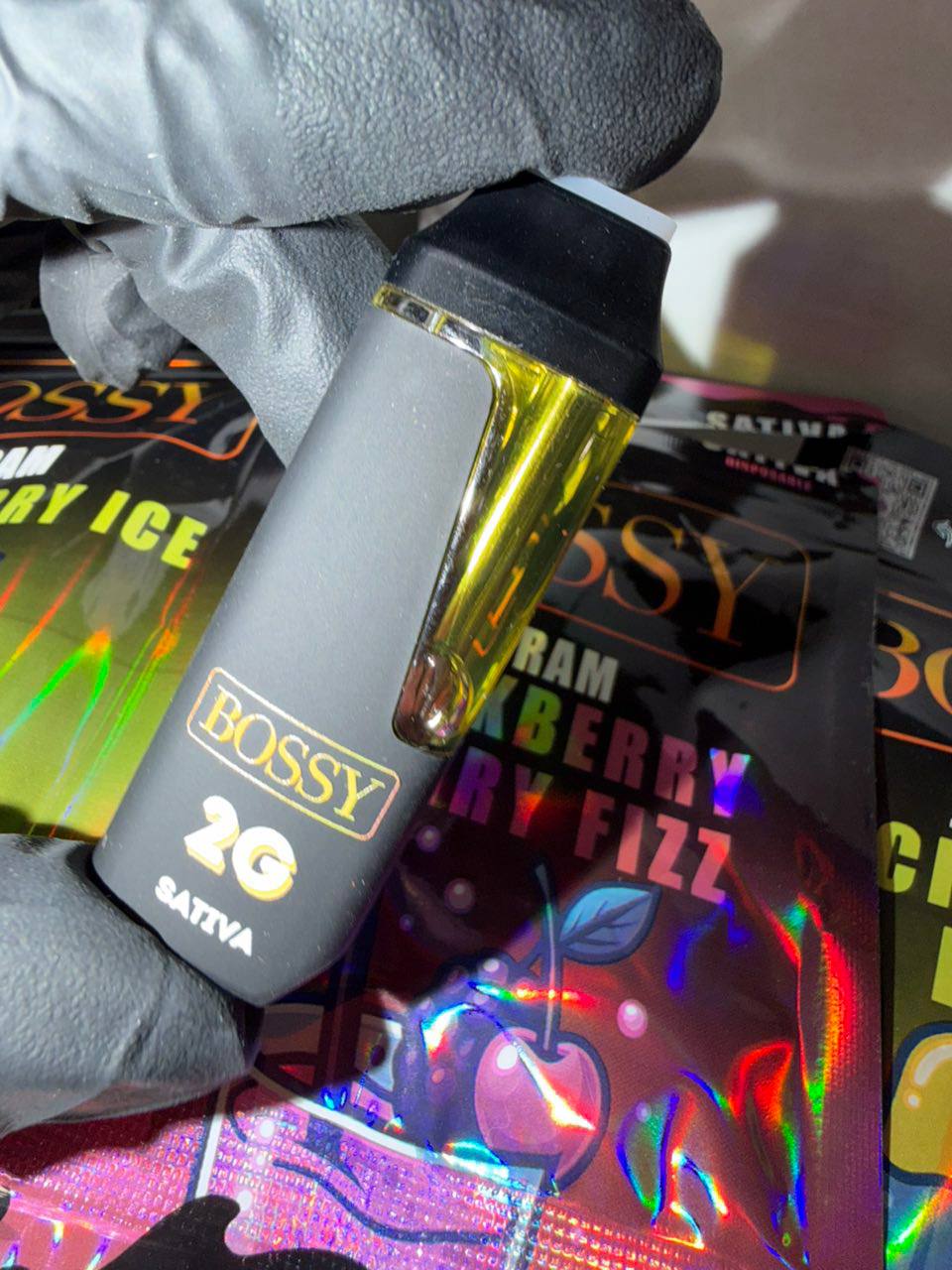
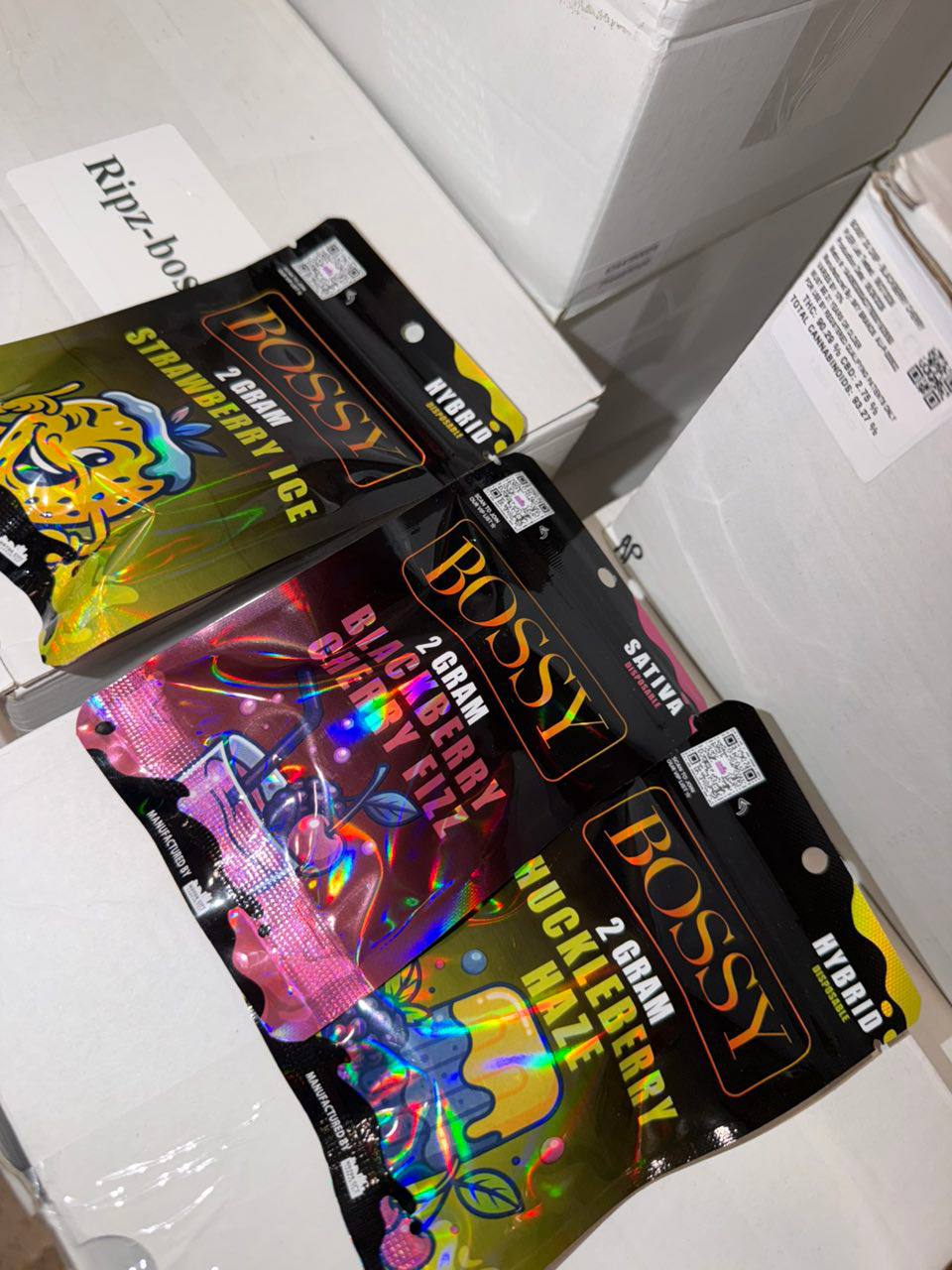
Bossy 2G Disposable: Product Overview
The Bossy 2G Disposable is a compact, pre-filled vaping device designed around convenience, portability, and a straightforward disposable format. Its 2-gram capacity places it among larger disposable options, giving the device a format intended for extended use compared with smaller single-gram alternatives.
Disposable vape products have become popular because they combine the essential components of a vaping device into one compact unit. There is no separate battery, cartridge, or refill bottle involved in the basic design. Instead, the hardware, reservoir, heating system, and mouthpiece are integrated into a single device.
The Bossy 2G Disposable follows this general format while focusing on a larger-capacity design. Its compact construction makes it relatively easy to carry, while the pre-filled configuration keeps the overall setup simple. As a result, the product fits into the broader category of ready-to-use disposable vaping devices.
Product Design
The physical design of a disposable vape plays an important role in its everyday handling. A well-balanced device needs to remain compact enough for portability while providing sufficient space for its internal reservoir and battery.
The Bossy 2G Disposable uses a self-contained design. The reservoir, heating element, battery, and mouthpiece are housed within the same device. This creates a streamlined appearance and eliminates the need for separate components.
Its shape is intended to provide a familiar handheld experience. The mouthpiece forms the upper section of the device, while the internal heating system connects the reservoir to the battery. When the device is activated according to its hardware design, the heating element converts the contents of the reservoir into an inhalable aerosol.
Because the unit is disposable, the hardware is not designed around repeated cartridge replacement. Once the contents or usable battery capacity has been exhausted, the complete device reaches the end of its intended service life.
2-Gram Capacity
The 2-gram format is one of the defining characteristics of this product. Capacity refers to the amount of material contained within the device rather than the physical weight of the entire unit.
A larger reservoir can distinguish a disposable device from lower-capacity alternatives. However, actual usage time varies considerably from person to person. Puff duration, frequency of use, airflow characteristics, battery performance, and heating behavior can all influence how long a device remains usable.
Therefore, a stated capacity should not automatically be interpreted as a specific number of days or sessions. Individual usage patterns can produce substantially different results.
The 2-gram format nevertheless provides a useful way to understand the product’s overall design. Compared with smaller-capacity disposable devices, it belongs to a category built around a greater reservoir volume.
Disposable Construction
Disposable construction keeps the product relatively straightforward. Unlike rechargeable systems, a disposable unit does not rely on a separate charging setup as part of its normal product format.
The internal battery is incorporated directly into the device. Likewise, the reservoir and heating assembly remain inside the same housing. This approach reduces the number of separate components that need to be handled.
The result is a compact product with a simple overall structure. There is no detachable cartridge to store separately, and the device is not designed to be refilled after its contents have been depleted.
However, disposable electronics still require responsible handling. The device contains a battery and electronic components, so it should be treated as electronic waste when it reaches the end of its usable life. Local disposal and recycling requirements can vary by location.
Portability
Portability is another notable characteristic of the disposable format. The compact construction allows the device to occupy relatively little space compared with larger vaping hardware.
Its self-contained design also means that several components do not need to be carried separately. The battery and reservoir remain integrated within the same housing.
This can make the format convenient from a hardware perspective. At the same time, portability does not change the need for responsible storage and handling. Exposure to excessive heat, moisture, or physical damage can affect electronic devices and their internal components.
The device is therefore best understood as a compact piece of electronic hardware rather than simply a container for its contents.
Hardware and Heating System
At the center of a disposable vape is its heating system. The heating element is responsible for producing the aerosol from the material contained in the reservoir.
Most modern disposable designs use an electrically powered heating element. When the device’s activation system detects use, electrical energy is supplied to the heating element. Heat is then generated within the atomization chamber.
The exact internal technology can vary between manufacturers and product generations. Specifications such as coil construction, airflow design, resistance, and activation method can influence the resulting experience.
Without verified manufacturer documentation, specific hardware claims should not be assumed. For that reason, details such as coil type, battery capacity, charging technology, or airflow configuration are best confirmed through official packaging or product documentation.
Flavor and Aroma Profile
Flavor is an important part of the vaping experience, although the exact profile depends on the specific formulation associated with a particular product or variant.
Different formulations may emphasize fruity, sweet, citrus, creamy, earthy, herbal, or other aromatic characteristics. Terpenes and flavoring compounds can contribute to the overall sensory profile, while the heating system can influence how those characteristics are perceived.
The flavor experienced from a disposable device can also change over time. Battery performance, reservoir level, temperature, and individual puff characteristics may affect the resulting vapor.
For that reason, a product description should distinguish between confirmed flavor information and general expectations. Specific tasting notes should be based on the actual variant rather than assumed from the product name alone.
Consistency During Use
Consistency is influenced by both the formulation and the hardware. A disposable device needs to maintain a relatively stable relationship between airflow, heating, and reservoir delivery throughout its usable period.
When these elements work together effectively, the device can produce a more consistent aerosol. However, performance may change as the reservoir approaches depletion or as battery output declines.
Individual use also affects consistency. Longer or more frequent draws can place different demands on the heating element than shorter, less frequent use.
Consequently, performance should be viewed as a combination of hardware characteristics and usage conditions rather than as a fixed property of the product.
Battery Design
The battery provides the electrical energy required by the heating system. Because the device is disposable, the battery is integrated into the same housing as the reservoir and other internal components.
Battery performance can affect the overall lifespan of the device. In some circumstances, the usable contents may remain while the battery becomes depleted. In other cases, the reservoir may be exhausted before the battery reaches its practical limit.
The exact battery specification should be verified from the manufacturer’s packaging. Capacity figures should not be estimated from the physical size of the device alone.
Proper storage also matters. Excessive temperatures can negatively affect batteries and electronic components. Physical damage to the housing should likewise be taken seriously.
Airflow and Vapor Production
Airflow determines how air moves through the device and interacts with the heating chamber. The relationship between airflow and heating can influence vapor density, draw resistance, and flavor perception.
A tighter airflow can produce a different sensation from a more open airflow. Similarly, the amount of vapor generated during an individual draw can depend on the duration and characteristics of that draw.
These factors mean that two people can experience the same device somewhat differently. Personal preferences and usage habits play a significant role in the perceived performance of any disposable vape.
Rather than assigning a universal performance rating, it is more accurate to describe airflow and vapor production as characteristics affected by the device’s hardware and the user’s individual experience.
Compact Everyday Format
The appeal of a disposable device often comes from its compact form. The integrated design removes much of the equipment associated with larger vaping systems.
There is no separate tank that needs to be carried alongside the device. Likewise, the internal battery eliminates the need for a standalone power unit during normal use.
This simplified format can make the product visually and mechanically straightforward. The device arrives as one integrated piece of hardware, with its major components contained inside the housing.
At the same time, disposable construction means the entire unit eventually reaches the end of its useful life. That distinction separates it from rechargeable systems designed around long-term hardware reuse.
Product Longevity
The expected lifespan of a 2-gram disposable cannot be reduced to a single number of days or sessions. Individual consumption patterns vary too widely for a universal estimate to be reliable.
Frequency of use is one factor. Draw duration is another. Battery efficiency and heating characteristics can also affect the overall usable period.
A person who uses a device occasionally may experience a considerably different lifespan from someone who uses it frequently. Therefore, capacity provides a better description of the amount contained in the product than a guaranteed statement about longevity.
The 2-gram designation remains useful because it communicates the reservoir size category. However, it should not be treated as a promise of a particular usage duration.
Packaging and Presentation
Packaging provides important information about the specific product and variant. Depending on the market and manufacturer, packaging may include details such as the product name, capacity, ingredients, batch information, warnings, manufacturing information, or authentication features.
Packaging should be considered the primary source for specifications that may vary between production runs.
Product presentation can also differ by edition. Graphics, colors, labeling, and other visual elements may change without altering the basic hardware format.
Because counterfeit products can imitate the appearance of established brands, authenticity information is particularly relevant when evaluating a branded disposable. Manufacturer-provided verification systems, where available, can provide more reliable information than appearance alone.
Quality Considerations
Quality involves more than flavor or appearance. Hardware construction, reservoir integrity, battery performance, packaging accuracy, and manufacturing consistency all contribute to the overall quality of a disposable device.
A properly manufactured device should have a secure housing and appropriately integrated components. The reservoir should remain contained within the intended chamber, while the electronic system should operate according to its designed specifications.
Visible damage, leaking material, unusual heating, or other unexpected behavior can indicate that a device should not be used.
Quality information is strongest when it comes from verifiable manufacturer specifications, laboratory documentation where applicable, and accurate packaging details.
Storage and Handling
Storage conditions can affect electronic devices and their contents. Heat, moisture, sunlight, and physical impact can all create potential problems.
A cool, dry environment is generally more appropriate for electronic products than prolonged exposure to extreme temperatures. The device should also be protected from unnecessary physical pressure or impact.
Safe storage is especially important when children or pets are present. Disposable vaping products should remain inaccessible to them.
Because regulations and product requirements vary between jurisdictions, local guidance should be considered when storing, transporting, or disposing of vaping products.
Responsible Product Information
A clear product description should separate confirmed specifications from marketing language. This is especially important for products where formulations, hardware versions, and regional packaging can differ.
The Bossy 2G Disposable can be described accurately in terms of its disposable construction and stated 2-gram capacity. However, additional claims about potency, laboratory results, ingredients, effects, battery capacity, or specific hardware should be supported by reliable product documentation.
This approach creates a more useful description for readers. Instead of relying on exaggerated statements, it focuses on information that can be verified.
Authenticity and Verification
Branded disposable products can sometimes appear in multiple packaging styles or editions. Consequently, visual appearance alone may not provide enough information to establish authenticity.
Where an official verification system exists, its information can provide a stronger basis for authentication. Batch numbers, QR codes, security labels, and other packaging features may also be relevant.
The precise verification process depends on the manufacturer. Therefore, claims about authentication should come from the brand’s official information rather than assumptions based on packaging photographs.
Legal and Regulatory Considerations
Laws concerning vaping products and cannabis-derived products vary significantly by country, state, province, and municipality. Age requirements, possession rules, product restrictions, labeling standards, and sales regulations can all differ.
A product that is permitted in one jurisdiction may be restricted in another. Similarly, product formulations that meet requirements in one market may not meet the rules of another.
For that reason, the legal status of a particular product should be evaluated according to the applicable local regulations. Product descriptions should not imply universal legality.
Consumers should also be aware that transportation rules can apply even when a product is legally possessed in its place of origin.
Environmental Considerations
Disposable electronics create a waste-management issue because the complete device is discarded after its useful life.
The integrated battery means the device should not automatically be treated like ordinary household rubbish. Local electronic-waste programs may provide specific disposal options.
Recycling availability varies considerably between locations. Some communities have dedicated collection points for batteries and electronic devices, while others provide broader electronic-waste programs.
Responsible disposal helps reduce the environmental impact associated with batteries, plastics, metals, and electronic components.
Overall Product Profile
The Bossy 2G Disposable represents a larger-capacity disposable vaping format built around an integrated design. Its defining characteristics include a stated 2-gram reservoir, self-contained hardware, integrated battery, and compact construction.
The format places convenience and simplicity at the center of the hardware design. Instead of relying on multiple separate components, the product combines the major elements into one device.
Its actual performance depends on factors including formulation, hardware construction, airflow, battery behavior, and individual usage patterns. Likewise, its usable lifespan varies from person to person.
For shoppers or readers researching the product, the most reliable information comes from the specific package and manufacturer documentation associated with the exact variant. Details such as flavor, ingredients, potency, battery specifications, and testing information should therefore be verified rather than assumed.
Frequently Asked Questions
What is the capacity of the device?
The product is identified as a 2-gram disposable, meaning its stated reservoir capacity is 2 grams.
Is the device rechargeable?
The answer depends on the specific hardware version. Some disposable devices are designed only for use until their battery is depleted, while certain newer disposable formats may include charging functionality. The packaging for the specific version provides the most reliable information.
How long does a 2-gram disposable last?
There is no universal lifespan. Usage frequency, draw duration, airflow, battery performance, and other factors can influence how long the device remains usable.
Does every variant have the same flavor?
Not necessarily. Different variants may have different flavor or aroma profiles. The exact flavor should be confirmed from the product label.
Can the device be refilled?
A standard disposable format is not designed for reservoir replacement or routine refilling. The specific manufacturer’s instructions and hardware design should always be considered.
What affects vapor production?
Vapor production can be influenced by airflow, heating characteristics, battery output, reservoir level, and individual draw patterns.
How should the device be stored?
Electronic disposable devices are generally better protected from excessive heat, moisture, direct sunlight, and physical damage. They should also be kept away from children and pets.
What happens when the product reaches the end of its life?
Once the reservoir or battery can no longer provide the intended operation, the device reaches the end of its useful life. Because it contains electronic components and a battery, appropriate local disposal or recycling options should be considered.
The Bossy 2G Disposable combines a relatively large stated capacity with the compact structure associated with disposable vaping hardware. Its integrated reservoir, battery, heating system, and mouthpiece create a self-contained format that differs from traditional rechargeable vape systems.
The 2-gram capacity provides a straightforward way to identify the product’s reservoir category, although it does not establish a fixed number of sessions or days of use. Actual longevity depends heavily on individual habits and hardware behavior.
Likewise, flavor, potency, ingredients, and technical specifications can vary by product variant and market. Verified packaging and manufacturer information remain the best sources for those details.
Overall, the product can be understood as a compact, self-contained disposable device with a 2-gram stated capacity. Its design emphasizes an integrated hardware experience, while its practical characteristics depend on the specific formulation, hardware version, and conditions under which the device is used.
Additional Product Details
A Closer Look at the User Experience
The overall experience of a disposable device is influenced by several elements working together. Hardware design, airflow, flavor characteristics, battery performance, and reservoir capacity all contribute to how the product feels during use.
The Bossy 2G Disposable is positioned within a category that emphasizes an all-in-one format. Rather than separating the battery, cartridge, and heating assembly, the major components are contained inside one compact body.
This integrated construction gives the product a straightforward appearance. It also reduces the number of individual parts associated with the device. As a result, the product can appeal to people who prefer a simpler hardware format over larger systems with interchangeable components.
At the same time, simplicity does not mean every disposable performs identically. Manufacturing quality and internal design can create differences between products that have similar capacities.
Reservoir Construction
The reservoir represents one of the most important internal components because it contains the material intended for vaporization.
A properly sealed reservoir helps keep the contents contained while allowing the heating system to access an appropriate amount during operation. The relationship between the reservoir and heating element can influence consistency throughout the product’s usable period.
As the reservoir level changes, performance can also change. Near the beginning of its usable life, the device has a larger quantity available for the heating system. Later, the remaining amount becomes smaller, and the device may eventually reach a point where normal operation is no longer possible.
This progression is common across disposable products. Therefore, differences in performance toward the end of a device’s life do not necessarily indicate a change in the intended product design.
Mouthpiece Design
The mouthpiece provides the connection between the internal vapor pathway and the user. Its shape and opening can influence airflow and the overall feel of each draw.
A comfortable mouthpiece generally has a smooth surface and an opening that corresponds appropriately with the device’s airflow system. However, exact dimensions and materials vary between products.
The mouthpiece also forms part of the overall exterior design. Its integration with the main housing contributes to the compact appearance of the device.
Since disposable products are manufactured in different configurations, specific mouthpiece materials should not be assumed without confirmation from the manufacturer.
Draw Characteristics
Draw characteristics describe how the device feels when air passes through the system. Some disposable products provide a relatively restricted draw, while others allow greater airflow.
Airflow affects more than comfort. It can also influence how much vapor reaches the mouth and how strongly flavor characteristics are perceived.
The ideal draw is subjective. One person may prefer a tighter sensation, while another may favor a more open airflow.
For that reason, a product description can explain the role of airflow without suggesting that one particular draw style is universally better.
Vapor Density
Vapor density depends on several interacting variables. Heating temperature, airflow, battery output, formulation, and draw duration can all influence the amount of visible aerosol produced.
A device with a larger reservoir does not necessarily produce more vapor during every individual draw. Capacity and vapor production describe different aspects of the product.
The 2-gram designation primarily identifies the amount contained in the reservoir. Vapor density, meanwhile, is related to the operation of the heating system and the characteristics of the formulation.
This distinction is useful because capacity alone does not determine the visual or sensory characteristics of a device.
Flavor Development
Flavor perception can vary throughout the life of a disposable. At the beginning, the reservoir contains a relatively full supply of material. As the device is used, the balance between remaining contents, heating, and airflow can change.
Temperature also plays a role in how aromatic compounds are perceived. Different heating conditions may emphasize different notes within the same formulation.
Individual perception adds another layer of variation. Taste preferences, sensitivity to aromas, and previous vaping experience can influence how a flavor is described.
Consequently, flavor descriptions are most useful when they remain specific without presenting subjective impressions as universal facts.
Hardware Portability
The compact structure is one of the clearest practical characteristics of the disposable format.
A self-contained device generally takes up less space than a multi-component vaping setup. The battery and reservoir remain inside the same housing, while the mouthpiece is integrated into the upper section.
This creates a relatively simple physical profile. The product can be carried without the separate tank or cartridge systems associated with other hardware formats.
Portability, however, should not be confused with unrestricted transport. Regulations governing vaping or cannabis-related products differ between jurisdictions, and transportation rules may apply in certain locations.
Construction and Materials
The exterior housing protects the internal components and gives the device its physical structure. Depending on the manufacturer, disposable housings can incorporate various plastics, metals, coatings, and electronic components.
Specific materials should only be stated when confirmed by reliable product information. A product’s appearance alone is not enough to establish its exact construction.
The internal assembly generally includes a battery, heating element, reservoir, airflow pathway, and electronic activation system. These components work together to create the basic operating system.
The integrated design means that individual internal parts are not intended to be replaced by the consumer.
Production Consistency
Consistency matters in any manufactured electronic product. Two units from the same product line should ideally follow the same basic specifications, although small differences can occur during manufacturing.
Factors such as assembly tolerances, battery performance, reservoir filling, and heating components can influence individual units.
Packaging and batch information can therefore be useful when evaluating a particular device. If a significant difference appears between two products that are supposedly identical, the batch details may help identify whether they came from different production runs.
Verified manufacturer information remains more dependable than assumptions based solely on appearance.
Authentic Packaging
Packaging serves several purposes beyond presentation. It can identify the product, provide capacity information, display regulatory information, and communicate manufacturing or batch details.
Depending on the market, packaging may also contain authenticity features. These can include security labels, verification codes, serialized information, or other identifiers.
Because counterfeit packaging can sometimes imitate genuine designs, visual similarities should not be treated as conclusive proof of authenticity.
The exact verification process depends on the manufacturer and product version. Official sources therefore provide the strongest reference when authenticity is uncertain.
Storage Conditions
Storage can influence both electronic hardware and the contents of a disposable.
Extreme temperatures may affect battery performance, while moisture can create problems for electronic components. Direct sunlight can also expose the housing and internal system to unnecessary heat.
A controlled environment is generally more appropriate for electronic products. Physical pressure should also be avoided because damage to the exterior can potentially affect internal components.
Storage becomes particularly important when a device is kept for an extended period before use.
Battery Performance Over Time
Battery output can change as the device is used. The battery provides energy to the heating system, so changes in electrical performance can influence the operation of the device.
A disposable may contain remaining material even after the battery can no longer provide sufficient power. Conversely, a battery can remain operational while the reservoir approaches depletion.
These two components therefore have related but separate roles.
The exact battery capacity and expected performance should be confirmed through official specifications rather than estimated from the device’s physical dimensions.
Why Capacity Matters
Capacity provides a useful comparison point when different disposable formats are being considered.
A 2-gram device contains a larger stated reservoir amount than a 1-gram format. However, this does not mean that the larger device automatically lasts exactly twice as long. Usage patterns and hardware efficiency influence practical longevity.
For example, a person taking longer or more frequent draws may use the contents more quickly than someone with lighter usage.
Capacity should therefore be viewed as a product specification rather than a guaranteed lifespan measurement.
Comparison With Smaller Disposable Formats
The primary distinction between this format and smaller-capacity disposables is the stated reservoir size.
A 1-gram device contains approximately half the stated amount of a 2-gram device, assuming both labels accurately represent their respective capacities. However, physical dimensions, battery size, airflow, and heating technology may differ substantially.
Therefore, capacity alone does not provide a complete comparison.
A larger reservoir can be useful for people looking for a higher-capacity format, while smaller devices may offer a more compact physical profile. Each format has different characteristics.
Comparison With Rechargeable Systems
Rechargeable vape systems generally separate the reusable battery from the replaceable or refillable cartridge. Disposable products take a different approach by integrating these components into a single unit.
The disposable model reduces the number of separate parts. Rechargeable systems, by contrast, can allow the main battery hardware to remain in use while cartridges or other components are replaced.
This creates different ownership and maintenance considerations.
A disposable format emphasizes simplicity and an integrated product lifecycle. A rechargeable system generally emphasizes hardware reuse and component replacement.
Neither structure should be treated as universally superior because the appropriate format depends on individual preferences, product specifications, and local regulations.
Product Lifecycle
The lifecycle of an integrated disposable begins with manufacturing and packaging. The product is then distributed before reaching the consumer.
During its usable period, the battery powers the heating system while the reservoir supplies material to the atomization chamber.
Eventually, one or more internal components reaches its practical limit. At that stage, the device is no longer intended to continue operating as a normal product.
The final stage involves disposal or recycling. Since the device contains electronics and a battery, local electronic-waste guidance can be relevant.
Responsible Disposal
Disposable electronics should be handled with consideration for their battery components.
Throwing electronic devices into unsuitable waste streams can create environmental and safety concerns. Local recycling centers, battery collection programs, or electronic-waste facilities may offer appropriate disposal routes.
Availability differs between communities, so local waste-management guidance provides the most accurate information.
Responsible disposal also helps separate reusable materials from ordinary waste where recycling infrastructure exists.
Label Information
The product label can provide some of the most important information about a particular unit.
Depending on the market, information may include the product name, stated capacity, ingredients, batch number, manufacturer details, warnings, and other regulatory information.
Some details may differ between editions or regions. Consequently, information from one package should not automatically be applied to every version carrying a similar name.
The label should remain the primary reference for specifications associated with an individual unit.
Understanding Product Claims
Vape product descriptions sometimes contain broad claims about performance, flavor, longevity, or quality. A useful description separates measurable specifications from subjective impressions.
Capacity is a measurable product specification when it has been accurately labeled. Flavor preference, meanwhile, is subjective.
Similarly, statements about how long a device lasts depend on individual usage. Performance descriptions should therefore avoid presenting personal experience as a guaranteed outcome.
Clear language gives readers a better understanding of what can be confirmed and what can vary.
Market Position
The 2-gram disposable format occupies a higher-capacity position within the broader disposable category.
Its larger stated reservoir distinguishes it from many smaller disposable formats. At the same time, the integrated construction keeps the physical design relatively simple.
Market positioning can change as manufacturers introduce new hardware, capacities, and product editions. Therefore, the most useful comparison remains one based on verified specifications rather than broad assumptions about an entire product category.
Consumer Considerations
Several factors can be relevant when evaluating a disposable device.
Capacity provides information about reservoir size. Hardware design describes how the product is constructed. Airflow influences draw characteristics, while the formulation contributes to flavor and aroma.
Battery specifications can provide additional information about the electronic system. Packaging and authentication features can help establish product identity.
Finally, local laws determine whether a particular product can legally be purchased, possessed, or used in a specific location.
Taken together, these details provide a more complete picture than any single specification.
Frequently Asked Questions About the Format
What does 2G mean?
The “2G” designation generally refers to a stated 2-gram capacity of material contained within the device. It does not refer to the physical weight of the complete disposable.
Does higher capacity guarantee longer use?
No. Capacity and lifespan are different measurements. Individual usage patterns, draw duration, airflow, battery performance, and heating efficiency can all affect practical longevity.
Is the hardware replaceable?
A conventional disposable device is designed as an integrated unit rather than a system with replaceable internal components.
Can flavor change during the product’s lifespan?
It can. Changes in reservoir level, heating behavior, airflow, and battery output may affect flavor perception over time.
Does every unit perform exactly the same?
Manufacturing aims for consistency, but small variations can occur between individual units or production batches.
Does the product contain a battery?
An integrated disposable electronic device contains a battery that powers its heating system. The exact battery specification depends on the product version.
Why can battery life and reservoir life differ?
The battery and reservoir are separate components with different operating limits. One can become depleted before the other.
Where can product specifications be verified?
The packaging associated with the specific unit and reliable manufacturer information provide the strongest sources for product specifications.
Final Product Perspective
The Bossy 2G Disposable fits within a category of compact, self-contained vaping devices built around an integrated reservoir and battery system. Its stated 2-gram capacity distinguishes it from smaller-capacity formats, while its disposable construction keeps the hardware relatively straightforward.
The product’s actual characteristics depend on the specific version, formulation, manufacturing batch, and hardware configuration. Flavor, airflow, vapor production, battery performance, and practical lifespan can all vary.
For that reason, a balanced product description focuses on identifiable specifications rather than exaggerated promises. Capacity provides one useful point of comparison, while the complete product profile also includes construction, airflow, battery design, packaging, storage, and disposal considerations.
Ultimately, the most accurate information comes from verified packaging and manufacturer documentation. This allows readers to distinguish confirmed specifications from general descriptions and subjective impressions.

Reviews
There are no reviews yet.