
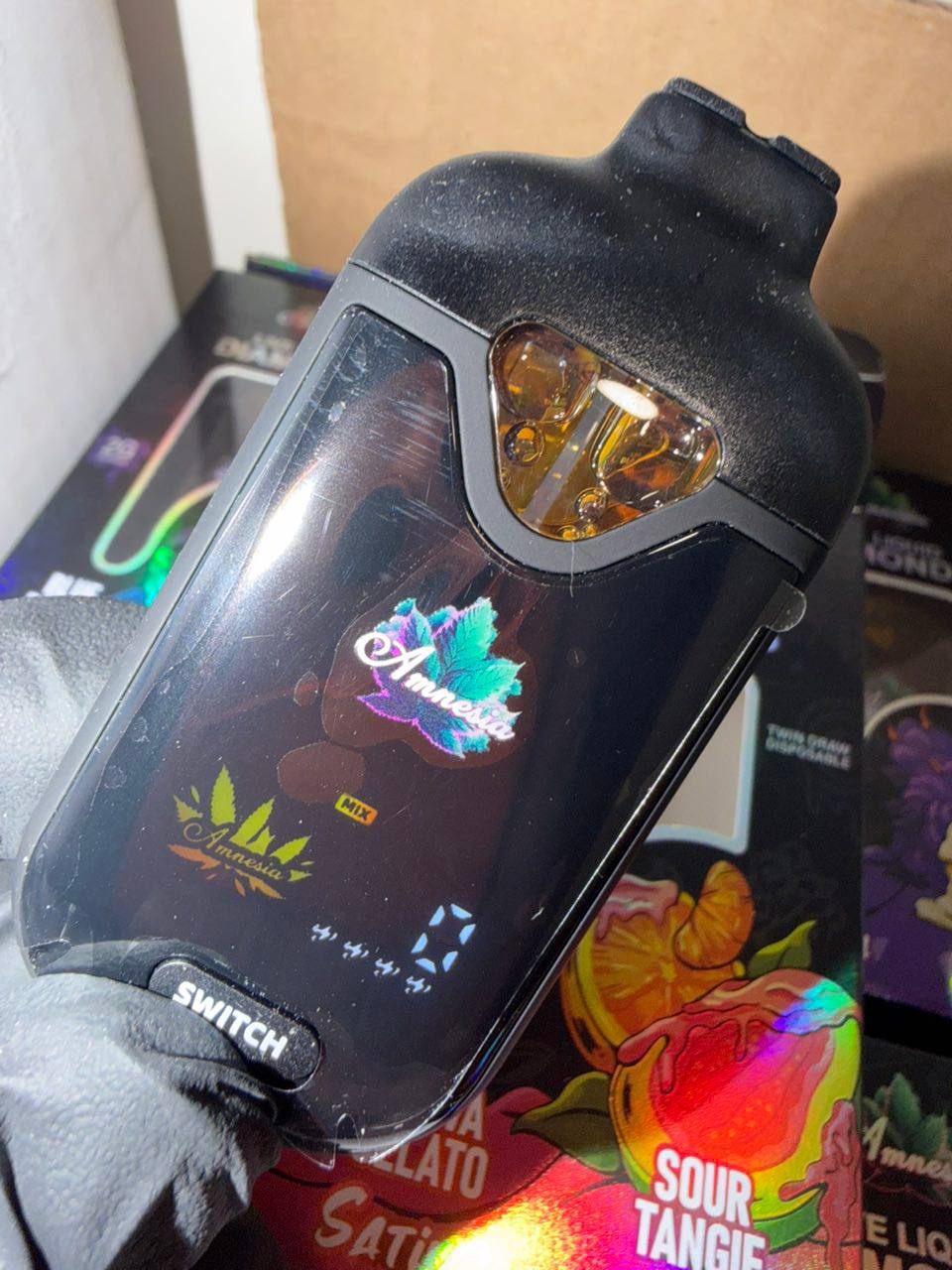

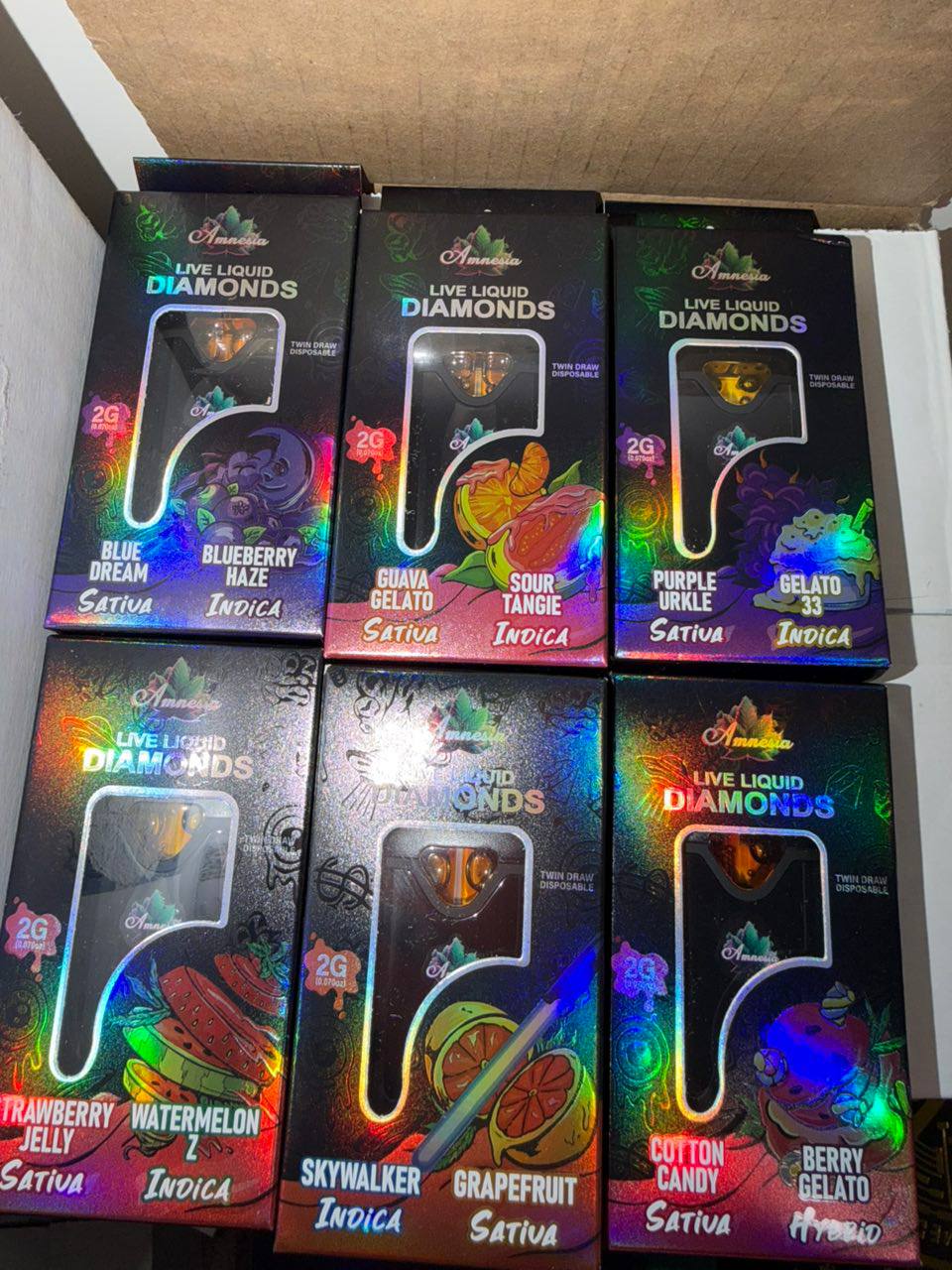
Amnesia Switch 2g Disposable: Product Overview
Introduction
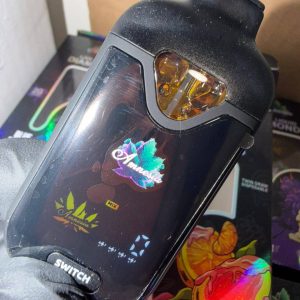
The Amnesia Switch 2g Disposable is a compact vaporizer product presented in a convenient, ready-to-use format. Its 2g capacity places it within the larger-capacity disposable category, while the disposable construction keeps the overall design simple and self-contained. Rather than requiring a separate battery, cartridge, or additional hardware, the device combines its main components into one unit.
The overall concept focuses on convenience and portability. At the same time, the product format is designed around simplicity, making it distinct from traditional cartridge systems that require a compatible battery. Because the device is supplied as a complete unit, its operation does not depend on assembling multiple components.
The name “Amnesia Switch” identifies the product line, while the 2g designation refers to the stated oil capacity. Actual contents, ingredients, cannabinoid concentration, hardware specifications, and available flavors can vary depending on the manufacturer, market, and individual product version. Therefore, packaging information remains the most reliable source for exact specifications.
2g Disposable Format
The defining characteristic of this product is its 2g disposable format. Compared with smaller disposable devices, a 2g capacity represents a relatively substantial amount of material within a single unit. Consequently, the product is designed around an extended-use format rather than a single-use session.
A disposable vaporizer generally contains several integrated components. These can include a reservoir, heating element, mouthpiece, battery, and internal airflow system. Since these components are contained within one device, the user does not need to pair the unit with an external battery.
The integrated design also affects the product’s appearance. Disposable vaporizers are commonly shaped as compact handheld devices, allowing them to remain relatively easy to carry. However, exact dimensions and construction materials should be confirmed from the packaging because different production versions may have different hardware.
The 2g capacity should not automatically be interpreted as a guarantee of a particular number of sessions or inhalations. Usage duration can vary considerably according to individual consumption patterns, airflow characteristics, oil viscosity, battery performance, and hardware design.
Design and Construction
The physical design of a disposable vaporizer typically combines functionality with a compact form. A reservoir holds the vaporizer liquid or oil, while an integrated heating element converts the material into an inhalable aerosol. The mouthpiece provides the point of contact between the device and the user.
The battery is housed within the same body. As a result, no separate power source is required during normal operation. Depending on the specific hardware version, the device may use an automatic draw mechanism or another integrated activation system.
Exterior details can vary between production batches and editions. Labeling, artwork, mouthpiece design, indicator lights, and other visual elements may therefore differ. For accurate identification, the printed packaging and manufacturer information should be checked carefully.
The construction also means that the device should be treated as an electronic product rather than an ordinary container. Internal components are not intended to be handled separately. Furthermore, attempts to dismantle the hardware can create unnecessary safety risks.
Capacity and Product Information
The stated 2g capacity is one of the clearest specifications associated with this product. Capacity describes the amount of material contained in the reservoir, but it does not independently establish potency or expected effects.
Cannabinoid concentration is a separate specification. For that reason, a product containing 2g should not be assumed to have a particular percentage of THC or another cannabinoid unless the packaging or an accompanying laboratory report confirms it.
Likewise, the product name does not by itself establish the precise formulation. Different versions can use different extracts, formulations, terpene profiles, or hardware. Product information should therefore be evaluated according to the specific package rather than assumptions based solely on the name.
Where laboratory testing is provided, information such as cannabinoid concentration, terpene content, batch identification, and contaminant screening can offer additional context. Testing standards can differ by jurisdiction, so locally applicable requirements remain important.
Flavor and Aroma Characteristics
The flavor and aroma of a vaporizer depend largely on its formulation. Terpenes and other aromatic compounds can contribute to the sensory character of an inhaled product. However, flavor descriptions should reflect verified product information rather than assumptions based on a product name.
Some products are formulated around recognizable fruit, dessert, herbal, citrus, or other aromatic profiles. The precise experience can differ according to formulation and individual perception. In addition, storage conditions may influence how aromatic compounds are perceived over time.
Temperature can also affect flavor. Higher temperatures may alter the composition of vapor and change the way certain aromatic compounds are experienced. Therefore, flavor descriptions should be considered general rather than universal.
Because formulations can change between versions, the ingredient or terpene information printed on the current package provides the most dependable reference.
Hardware Experience
Hardware plays an important role in the overall performance of any disposable vaporizer. The heating element, airflow pathway, reservoir, battery, and mouthpiece work together to determine how the device performs.
A consistent heating system can influence vapor production and flavor delivery. Meanwhile, airflow affects the draw characteristics and the amount of aerosol produced. Battery capacity also matters because the device needs sufficient power to operate the heating element.
The 2g format places additional importance on hardware reliability. A larger reservoir needs suitable heating and airflow components to function consistently throughout its intended lifespan. Nevertheless, actual performance can vary between individual devices.
Minor differences can also occur because of manufacturing tolerances. For example, draw resistance, vapor volume, or battery behavior may not be identical across every unit. These variations are normal considerations when evaluating compact electronic hardware.
Portability
One practical characteristic of disposable devices is portability. The integrated construction removes the need to carry a separate battery and cartridge. As a result, the overall setup consists of a single piece of hardware.
The compact format can make storage relatively straightforward. However, portable does not mean that the product can be stored without consideration. Heat, direct sunlight, moisture, and physical impact can affect electronic devices and their contents.
A cool, dry environment is generally more appropriate for storage than locations exposed to extreme temperatures. In addition, the device should remain in suitable packaging when possible.
Storage requirements can differ according to the manufacturer’s instructions. Therefore, the information supplied with the particular unit should take priority over generalized storage advice.
Battery and Power System
A disposable vaporizer contains an internal battery designed to power its heating system. Some models are activated by inhalation, while others may use different controls. The exact mechanism depends on the hardware version.
Battery behavior can change as the device is used. Early sessions may produce different vapor characteristics from later sessions if the battery becomes depleted. Some products include an indicator light to communicate operating or charging status, although this feature should not be assumed without checking the actual device.
If the product includes a charging port, the manufacturer’s charging instructions should be followed. If the unit is specifically designed as a non-rechargeable disposable, attempts to recharge it should be avoided.
Electronic components should also be protected from water and excessive heat. Furthermore, a damaged, leaking, swollen, or unusually hot device should not be used.
Product Authenticity
Authenticity is an important consideration with branded vaporizer products. Counterfeit products can differ substantially from genuine products in their hardware, labeling, formulation, and manufacturing standards.
Packaging details may provide useful information when checking authenticity. These details can include batch information, manufacturer identification, regulatory information where applicable, and verification features.
A QR code or authentication system may be included on some products, although the presence of such a feature depends on the manufacturer. Verification should be performed through a legitimate source associated with the brand whenever such a system is available.
Packaging quality can also provide clues, but appearance alone cannot establish authenticity with certainty. Consequently, laboratory documentation and verified manufacturer information are more useful than relying solely on visual similarities.
Laboratory Testing and Transparency
Laboratory testing can provide important information about a cannabinoid product. Depending on the jurisdiction and manufacturer, testing may cover cannabinoid concentrations, microbial contaminants, residual solvents, pesticides, heavy metals, and other substances.
A certificate of analysis, commonly called a COA, can provide batch-specific information when it is associated with the product being examined. The batch number should correspond with the product packaging for the information to be meaningful.
Not every product in every market is subject to the same testing requirements. Therefore, the absence or presence of particular testing information should be interpreted according to applicable local regulations.
Independent verification is especially useful when product labeling makes specific claims about contents. Ultimately, documented laboratory results are more reliable than marketing language alone.
Responsible Product Awareness
Products containing cannabinoids can produce psychoactive effects, depending on their formulation and cannabinoid concentration. Those effects can vary between individuals and can also depend on factors such as tolerance, metabolism, product potency, and previous exposure.
For that reason, product descriptions should not promise a particular emotional, physical, or cognitive outcome. Statements suggesting that a product will reliably produce relaxation, energy, focus, sleep, euphoria, or another specific result would overstate what can be predicted from the product name alone.
Cannabis-related products may also be subject to age restrictions and other legal requirements. The rules differ significantly between jurisdictions. Accordingly, legality, possession, use, and purchasing requirements should be confirmed according to the applicable local laws.
The product should also be kept away from children and animals. A secure storage location reduces the possibility of accidental exposure.
Packaging Details
Packaging provides the primary reference for product-specific information. It may identify the manufacturer, product name, stated capacity, cannabinoid content, batch number, production information, warnings, and other regulatory details.
Because packaging can change over time, photographs or descriptions found elsewhere should not automatically be treated as current. The physical package associated with a particular unit is the more relevant source.
Differences in labeling can also reflect regional regulations. Therefore, two versions of a product with the same general name may display different information depending on where they were manufactured or distributed.
Clear labeling is particularly important when evaluating cannabinoid concentration. A capacity measurement such as 2g should be considered separately from potency measurements expressed as percentages or milligrams.
Appearance and Presentation
The visual presentation of a disposable vaporizer often contributes to product recognition. Printed graphics, branding, typography, and packaging can distinguish one version from another.
The Amnesia Switch 2g Disposable may be presented in a compact body intended to fit comfortably within a handheld form. Exact colors, artwork, and exterior details, however, should be verified against the specific version because packaging and hardware can change.
A clean exterior can also make basic inspection easier. Labels should remain legible, and important information should not appear damaged or altered.
Any visible leakage, physical damage, broken mouthpiece, unusual swelling, or other hardware problem warrants caution. Electronic products with visible damage should not be treated as normal-use devices.
What the 2g Label Means
The “2g” designation describes quantity rather than potency. This distinction is important because capacity and cannabinoid concentration measure different characteristics.
For example, two products can contain the same stated amount while having different cannabinoid concentrations. Likewise, two products can have similar potency while using different reservoir sizes.
The 2g label therefore provides useful information about the amount of material in the device, but it does not provide enough information to determine the complete chemical profile.
Consumers evaluating a cannabinoid product should consider the complete label, including cannabinoid content and other listed ingredients. Where available, batch-specific laboratory information can provide additional verification.
General Storage Considerations
Storage conditions can influence both electronic hardware and the material contained within the reservoir. Excessive heat may affect viscosity, while extreme cold can alter how the material moves through the internal system.
Direct sunlight should generally be avoided. A stable environment away from significant temperature fluctuations can help preserve the condition of the product.
The device should also be protected from unnecessary physical pressure. Although disposable vaporizers are designed for portability, their internal components remain relatively delicate.
Secure storage becomes particularly important in households containing children or pets. The product should remain inaccessible to anyone for whom it is not intended.
Quality Considerations
Several factors can contribute to the perceived quality of a disposable vaporizer. Hardware consistency, formulation, labeling accuracy, packaging integrity, and laboratory transparency all play a role.
Hardware alone does not establish product quality. Similarly, attractive packaging does not verify the contents. A more complete assessment considers both physical construction and documented product information.
A reliable product description should therefore distinguish between confirmed specifications and characteristics that can vary. The stated 2g capacity is a defined specification, while flavor, vapor production, battery duration, and other experiential characteristics may differ.
This distinction helps keep product information clear and realistic.
Overall Product Profile
The Amnesia Switch 2g Disposable represents a compact, integrated vaporizer format centered on a stated 2g capacity. Its disposable construction combines the reservoir, heating system, battery, and mouthpiece into one device, reducing the need for separate hardware.
Its product profile is therefore defined primarily by capacity, integrated construction, portability, and the specific formulation identified on its packaging. Additional characteristics, such as cannabinoid concentration, terpene profile, charging capability, and hardware configuration, depend on the particular version.
As with other cannabinoid products, accurate labeling remains essential. The product name alone cannot establish potency, ingredients, laboratory results, or expected effects.
The 2g disposable format offers a straightforward example of an all-in-one vaporizer design. Its larger stated capacity distinguishes it from many smaller disposable formats, while its integrated construction eliminates the need for a separate cartridge battery.
At the same time, product specifications should be evaluated carefully. Capacity does not equal potency, and branding does not replace laboratory verification. Flavor, hardware performance, battery behavior, and appearance may also vary between versions.
For accurate information, the packaging, manufacturer documentation, applicable testing information, and local regulatory requirements provide the strongest references. Responsible storage and careful attention to product condition are also important parts of handling any electronic cannabinoid product.
Overall, the product can be described as a compact 2g disposable vaporizer whose exact formulation and hardware characteristics depend on the specific version and labeling. Clear documentation, transparent specifications, and realistic product information provide the most useful basis for understanding what the device contains and how it is constructed.
Additional Product Information
Understanding the Integrated System
The internal structure of a disposable vaporizer is relatively compact. Several separate functions operate inside the same exterior housing, allowing the product to remain smaller than a setup that uses individual components.
The reservoir stores the formulated material, while the heating element is responsible for converting it into an aerosol. An airflow pathway connects the internal components with the mouthpiece, and the battery supplies the energy required by the heating system.
Because these components are integrated, the overall appearance can remain simple. At the same time, the internal design can be more complex than the exterior suggests.
Manufacturing quality matters throughout this system. Small differences in the heating element, airflow pathway, seals, or battery can affect the way an individual device performs. Therefore, two units with identical exterior labeling may not always feel exactly the same during use.
Reservoir Design
The reservoir represents one of the most important internal components because it contains the product material. With a stated 2g capacity, the reservoir is designed to accommodate a larger quantity than many lower-capacity disposable formats.
The material inside the reservoir can vary in thickness depending on its formulation and temperature. This characteristic can influence how efficiently the internal heating system interacts with the material.
A properly sealed reservoir helps prevent unwanted leakage. However, no electronic vaporizer should be considered completely immune to leakage or hardware failure.
Visible liquid around the mouthpiece, exterior seams, or airflow openings can indicate a problem with the unit. Such signs should not be ignored because leaking material can affect both the device and surrounding surfaces.
Airflow Characteristics
Airflow contributes significantly to the physical experience of a vaporizer. The internal pathway controls how air moves through the device as the heating system operates.
A more restricted pathway can produce a different draw from a more open design. Consequently, airflow characteristics can influence vapor density, draw resistance, and overall usability.
The exact airflow configuration depends on the hardware used in the particular Amnesia Switch version. Product photographs alone may not reveal the internal structure, so manufacturer documentation provides a better reference for technical specifications.
Changes in airflow can also occur if the mouthpiece or intake area becomes obstructed. Keeping the device in good physical condition can therefore help preserve its intended airflow characteristics.
Mouthpiece Construction
The mouthpiece is the section through which the aerosol exits the device. Its shape and opening can affect draw resistance and the perceived smoothness of the inhalation.
Disposable products commonly use a compact mouthpiece that is incorporated directly into the main body. This construction helps maintain the all-in-one design.
The mouthpiece should remain clean and free from foreign material. Physical damage can affect airflow, while contamination can create additional concerns.
Because the mouthpiece is part of the integrated device, replacing it separately is generally not part of the disposable format. A damaged mouthpiece therefore represents a condition that may require the entire unit to be discarded.
Battery Integration
The internal battery allows the heating element to operate without an external power source. This is one of the main distinctions between a disposable vaporizer and a traditional cartridge system.
Battery performance can depend on several factors. Capacity, temperature, storage conditions, electrical components, and the heating system can all influence how long the battery remains functional.
A battery that has been exposed to excessive heat or physical damage may behave differently from one kept under normal conditions. Unusual heat, swelling, burning smells, or other unexpected changes should be treated as warning signs.
If a particular model includes rechargeable functionality, its charging specifications should be taken from the manufacturer’s instructions. If charging is not supported, the device should not be modified in an attempt to recharge the internal battery.
Product Consistency
Consistency is an important consideration when evaluating manufactured vaporizer products. Ideally, individual units from the same product line should have similar construction and labeling.
However, manufacturing processes can involve small variations. Differences in airflow, battery performance, reservoir behavior, and exterior finish can occasionally occur.
Batch information can be useful when investigating such differences. The batch number printed on packaging may connect a particular unit with manufacturing or laboratory documentation.
When laboratory results are available, matching the batch number provides greater confidence that the documentation relates to the actual product.
Cannabinoid Information
The term “cannabinoid” covers a broad group of naturally occurring compounds associated with cannabis and hemp plants. THC and CBD are two widely recognized examples, although products can contain additional cannabinoids.
The presence and concentration of these compounds depend on the formulation. Therefore, the name “Amnesia Switch” does not by itself identify the complete cannabinoid profile.
A product label may list cannabinoid concentrations as percentages or milligram amounts. These measurements provide different forms of information and should not be confused with the 2g capacity specification.
Laboratory testing can provide further detail when available. Such testing may identify individual cannabinoids and their measured concentrations for a particular production batch.
Terpene Profile
Terpenes are aromatic compounds found in many plants, including cannabis. They contribute to aroma and can influence the sensory character associated with different formulations.
A terpene profile may include compounds such as limonene, myrcene, pinene, linalool, or caryophyllene. The actual composition depends on the formulation and should be confirmed through product documentation.
The presence of a particular terpene does not guarantee a specific subjective effect. Individual responses can differ, and sensory descriptions are inherently personal.
For that reason, terpene information is best understood as part of the product’s chemical and aromatic profile rather than as a promise of a particular experience.
Label Accuracy
Clear labeling is especially important for products containing psychoactive cannabinoids. Consumers need access to accurate information about contents, potency, ingredients, and relevant warnings.
A complete label can also help distinguish one product version from another. This becomes particularly useful when a brand releases multiple editions with similar names or packaging.
Packaging Integrity
Packaging should provide reasonable protection for the product during transportation and storage. Damaged packaging can make it more difficult to determine whether a unit has been handled appropriately.
Signs of concern can include broken seals, missing labels, altered printing, leaking material, damaged hardware, or inconsistent product information.
Packaging that appears substantially different from verified examples may warrant additional authentication. Brand-specific verification tools, where available, can provide more useful evidence than appearance alone.
A legitimate product should have information that corresponds logically across the packaging and device. For example, batch information should not conflict between different parts of the package.
Product Identification
Correct identification becomes particularly important when multiple disposable products have similar names. The brand, product line, capacity, edition, and formulation can all distinguish one version from another.
The “2g” designation identifies the stated capacity, but it does not establish the production date, potency, or exact hardware configuration.
For cataloging purposes, a complete product name can therefore include the brand or product line, model name, capacity, and edition when one exists.
Retail listings and photographs can be useful for general identification, but the physical packaging remains the stronger reference for a specific unit.
Differences Between Production Versions
Manufacturers sometimes update hardware without completely changing a product name. Changes may involve battery components, airflow, mouthpiece construction, packaging, or internal materials.
Such revisions can produce differences between older and newer units. The same can happen when products are manufactured for different markets.
Consequently, technical specifications should not be assumed solely from older product photographs or third-party descriptions. Current manufacturer information is generally more reliable.
When an exact specification matters, the product’s current packaging and official documentation should be considered first.
Shelf and Storage Considerations
Cannabinoid formulations can be affected by environmental conditions. Temperature, light, oxygen, and time can influence the condition of certain compounds and aromatic ingredients.
Electronic components can also be affected by environmental exposure. Excessive moisture can damage electronics, while high temperatures can affect batteries and internal materials.
A stable, dry storage environment is therefore preferable. Direct sunlight and extreme temperatures should be avoided.
The device should also remain protected from unnecessary impact. Although disposable vaporizers are designed to be portable, they still contain electronic and glass or plastic components that can be damaged.
Safety Features
Some disposable vaporizers include electronic protections designed to reduce certain hardware risks. Depending on the model, these may involve automatic shutoff functions, battery protections, or indicator lights.
The presence and exact operation of these features vary by device. They should not be assumed unless they are documented by the manufacturer.
Electronic protection systems also do not eliminate every possible risk. Physical damage, improper storage, unauthorized modifications, or exposure to unsuitable conditions can still create problems.
For that reason, unusual device behavior should be treated seriously rather than being considered a normal feature.
Environmental Considerations
Disposable electronics create waste because the battery, heating system, reservoir, and housing are generally discarded together after the product reaches the end of its usable life.
The presence of a battery means that ordinary household waste may not always be the appropriate disposal method. Local waste-management rules can specify how electronic or battery-containing products should be handled.
Recycling availability varies by location. Some areas provide dedicated electronic-waste collection programs, while others use specialized battery-recycling services.
The manufacturer’s disposal guidance and local regulations provide the most appropriate information for end-of-life handling.
Legal and Regulatory Factors
Cannabinoid products are regulated differently around the world. Requirements concerning possession, sale, age, labeling, testing, transportation, and consumption can differ substantially between jurisdictions.
A product’s availability in one location does not establish that it is legal in another. Similarly, a product that complies with requirements in one market may require different labeling or testing elsewhere.
Legal status should therefore be assessed according to the jurisdiction where the product is possessed or distributed.
Regulatory information can also change over time. Current local requirements are more relevant than outdated descriptions or assumptions based on another region.
Information for Product Listings
A clear product listing benefits from accurate, specific information. Descriptions should distinguish confirmed specifications from subjective characteristics and avoid unsupported claims.
For the Amnesia Switch 2g Disposable, the most dependable basic information centers on its stated 2g capacity and disposable construction. Additional specifications should only be included when they have been confirmed for the particular version.
A useful listing can describe the physical format, integrated hardware, packaging information, and available documentation without making promises about individual outcomes.
This approach also helps reduce confusion when several versions of a product exist.
Common Product Questions
What does 2g mean?
The 2g designation refers to the stated amount of material contained in the device. It does not independently indicate cannabinoid potency or the expected duration of use.
Is the battery separate?
A disposable format generally incorporates its battery into the device. The exact battery and charging configuration should be confirmed from the particular model.
Does the product name determine the formulation?
No. The product name does not provide enough information to establish the complete cannabinoid or terpene profile. Current packaging and laboratory documentation are more reliable references.
Can every unit be expected to perform identically?
Not necessarily. Manufacturing variations can affect airflow, battery behavior, vapor production, and other characteristics.
How can authenticity be evaluated?
Packaging details, batch information, manufacturer verification systems, and laboratory documentation can all contribute to authentication. No single visual feature should be treated as definitive.
A Balanced Product Description
The Amnesia Switch 2g Disposable can be characterized as an integrated vaporizer built around a stated 2g capacity. Its compact format combines several components into a single device, including a reservoir, heating system, battery, airflow pathway, and mouthpiece.
The integrated design distinguishes it from cartridge systems that rely on a separate battery. Meanwhile, the stated capacity places it within a larger disposable format.
Exact specifications remain dependent on the particular production version. Cannabinoid concentration, terpene composition, hardware configuration, charging capability, dimensions, and appearance should therefore be confirmed using current product documentation.
A balanced description also recognizes that individual experiences can vary. Product names and marketing descriptions cannot guarantee a specific effect, flavor perception, or hardware performance.
Final Product Perspective
From a technical perspective, the Amnesia Switch 2g Disposable is best understood through its physical construction and documented specifications. The 2g capacity identifies the amount of material stated for the device, while the disposable format describes its integrated hardware design.
Its overall profile includes a self-contained reservoir, heating mechanism, battery system, airflow pathway, and mouthpiece. Together, these components create a compact electronic product that does not depend on a separate cartridge battery.
At the same time, exact characteristics can change between versions. Packaging, formulation, hardware, and regulatory information should therefore be checked for the specific unit rather than inferred from the product name alone.
Accurate labeling, appropriate storage, authenticity verification, and responsible disposal all contribute to a more complete understanding of the product. Most importantly, product information is strongest when it separates confirmed specifications from subjective claims.
The Amnesia Switch 2g Disposable can consequently be presented in straightforward terms: a compact, all-in-one vaporizer with a stated 2g capacity, whose exact formulation and technical specifications depend on the particular version and supporting documentation.

Reviews
There are no reviews yet.